
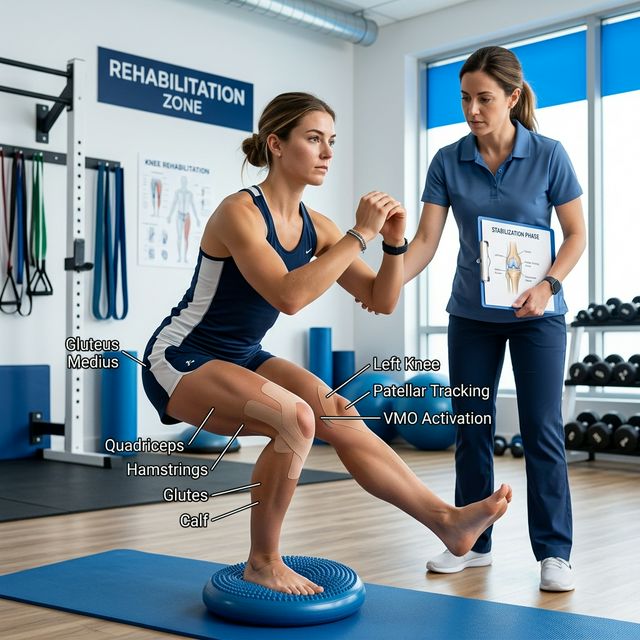
Over the past few decades, women's participation in sports has surged - from grassroots athletics to elite professional leagues. While this progress is empowering, it has also brought increased attention to a concerning trend: women are significantly more prone to ACL (anterior cruciate ligament) injuries than men. Studies suggest that female athletes are 2 - 8 times more likely to suffer ACL tears, especially in high-impact sports like soccer, basketball, and volleyball.
Understanding why this happens - and more importantly, how to prevent it - is essential for athletes, coaches, and healthcare professionals alike.
What is the ACL and Why is it Important?
The ACL is one of the key ligaments stabilizing the knee joint. It connects the thigh bone (femur) to the shin bone (tibia) and plays a critical role in:
- Controlling rotational movement
- Stabilizing sudden stops and direction changes
- Preventing the knee from “giving way"
An ACL injury often occurs during non-contact movements - such as pivoting, landing from a jump, or sudden deceleration. Athletes with instability may need assessment by a sports medicine specialist.
Why Are Women More Prone to ACL Injuries?
Several factors contribute to the higher incidence of ACL injuries in women:
1. Biomechanical Differences
Women often have a wider pelvis, which creates a larger “Q-angle" (angle between hip and knee). This can increase stress on the knee joint, especially during landing or cutting movements.
2. Hormonal Influences
Fluctuations in estrogen levels may affect ligament laxity, making the ACL more vulnerable during certain phases of the menstrual cycle.
3. Muscle Imbalance
Female athletes may rely more on quadriceps than hamstrings. Since hamstrings help stabilize the knee, weaker activation increases injury risk.
4. Neuromuscular Control
Differences in movement patterns - like landing with less knee flexion or inward knee collapse (valgus) - can elevate stress on the ACL.
Common Sports with Higher Risk
ACL injuries are most common in sports that involve:
- Rapid direction changes
- Jumping and landing
- Sudden stops or pivots
Examples include:
- Soccer
- Basketball
- Volleyball
- Tennis
- Gymnastics
Signs and Symptoms of an ACL Injury
Recognizing early signs can prevent further damage:
- A “popping" sound at the time of injury
- Immediate swelling
- Instability or inability to bear weight
- Reduced range of motion
- Pain during movement
Prompt medical evaluation is crucial to confirm diagnosis and begin treatment.
Preventing ACL & Knee Injuries in Women
The good news is that many ACL injuries are preventable with the right training and awareness.
1. Strength Training
Focus on strengthening key muscle groups:
- Hamstrings (balance quadriceps dominance)
- Glutes (hip stability)
- Core (overall balance and control)
Exercises include: Deadlifts, Hamstring curls, Glute bridges, Squats
2. Neuromuscular Training
Training the body to move correctly reduces injury risk:
- Practice proper landing techniques (soft knees, avoid inward collapse)
- Improve balance and coordination
- Use agility drills with controlled movements
Programs like FIFA 11+ have shown significant reduction in ACL injuries.
3. Plyometric Training
These exercises improve explosive power while reinforcing safe movement patterns:
- Jump squats
- Box jumps
- Single-leg hops
Focus on controlled landings rather than height or speed.
4. Flexibility & Mobility
Maintaining flexibility in:
- Hamstrings
- Hip flexors
- Calves
…ensures better movement mechanics and reduces strain on the knee.
5. Proper Footwear & Surface Awareness
Wearing appropriate shoes and being mindful of playing surfaces can reduce slipping or excessive grip - both of which can increase injury risk.
6. Fatigue Management
Many injuries occur when athletes are tired. Adequate rest, hydration, and recovery are critical.
Role of Coaches and Trainers
Coaches play a pivotal role in prevention:
- Incorporate injury prevention programs into warm-ups
- Monitor technique during drills
- Encourage strength and conditioning routines
- Educate athletes about safe movement patterns
Consistency is key - these programs must be practiced regularly to be effective.
Recovery and Return to Sport
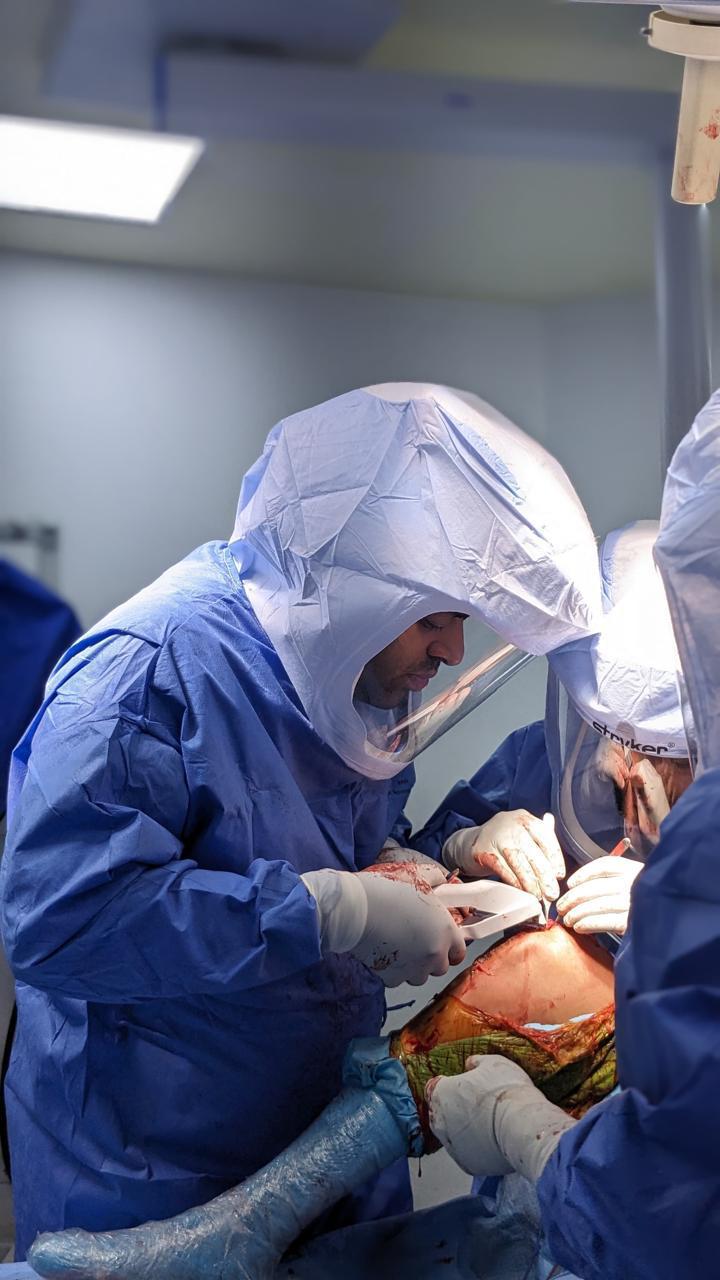
If an ACL injury occurs, treatment options range from physiotherapy to surgical reconstruction depending on severity and activity level.
Recovery typically involves:
- Structured rehabilitation (3 - 9 months)
- Gradual strengthening and conditioning
- Sport-specific retraining
Returning to sport too early significantly increases the risk of re-injury, especially in women.
Conclusion
ACL and knee injuries in women's sports are a serious but largely preventable challenge. By understanding the unique risk factors and implementing targeted training strategies, athletes can significantly reduce their chances of injury.
Prevention isn't just about avoiding setbacks - it's about enhancing performance, longevity, and confidence on the field.
Take the Next Step Toward Pain-Free Movement
If you're experiencing knee pain, instability, or have suffered a sports injury, early intervention is crucial.
Consult an experienced orthopedic specialist like Dr. Pradyumna R for advanced diagnosis, personalized treatment, and guided recovery - so you can return stronger, safer, and more confident in your sport.
Frequently Asked Questions
1. Why are women more prone to ACL injuries?
Women may have higher ACL injury risk due to biomechanics, landing patterns, hip-knee alignment, muscle strength differences, hormonal factors, and sport demands.
2. What are the symptoms of an ACL tear?
Symptoms include a popping sensation, swelling, knee instability, pain, difficulty walking, and trouble returning to pivoting or cutting sports.
3. Can ACL injuries in women be prevented?
Risk can be reduced with neuromuscular training, landing drills, hip and core strengthening, balance training, agility control, and sport-specific conditioning.
4. Is ACL reconstruction required for all women athletes?
Not always. Treatment depends on instability, activity goals, associated injuries, age, and sport level. Active athletes often benefit from reconstruction.
5. How is ACL reconstruction performed?
ACL reconstruction replaces the torn ligament with a graft using arthroscopic techniques to restore knee stability and function.
6. How long does return to sport take after ACL surgery?
Return to sport commonly takes 6 to 9 months or longer, depending on healing, strength, balance, confidence, and sport-specific testing.
7. What exercises help prevent ACL injuries?
Squats, lunges, hamstring strengthening, hip abductor work, balance drills, jump-landing training, and agility control exercises can help reduce risk.
8. Can a woman play sports with a torn ACL?
Playing with an unstable ACL-deficient knee can increase the risk of meniscus tears, cartilage damage, and recurrent instability. Specialist evaluation is important.
9. Is physiotherapy needed before ACL surgery?
Prehabilitation helps reduce swelling, restore motion, improve strength, and prepare the knee for better post-operative recovery.
10. Who should evaluate a suspected ACL injury?
An orthopaedic sports medicine specialist should assess suspected ACL injury with clinical tests and imaging such as MRI when needed.