
Shoulder pain can make surprisingly simple activities difficult. Reaching for something on a shelf, fastening your seatbelt, getting dressed, or even sleeping comfortably may become challenging when your shoulder is injured. For some people, physiotherapy and medication provide enough relief. Others may need surgical treatment, particularly when a torn tendon, damaged labrum, or recurring shoulder dislocation affects everyday movement.
If surgery has been recommended, you may be searching for the best shoulder arthroscopy surgeon in Bangalore. But how do you know which surgeon is right for you? There is no single surgeon who is necessarily the best choice for every shoulder condition. The important factors are relevant experience, appropriate treatment recommendations, communication, and postoperative care. Here are seven things to check before making your decision.
What Is Shoulder Arthroscopy?
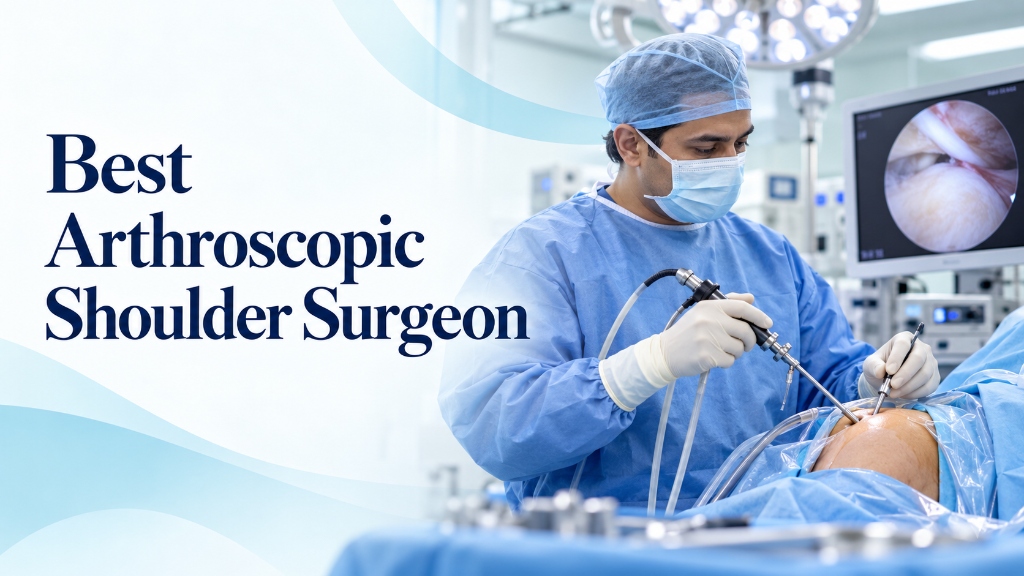
Shoulder arthroscopy is a minimally invasive procedure used to examine and treat certain conditions affecting the shoulder joint. During the operation, an orthopaedic surgeon inserts a small camera, called an arthroscope, through a tiny incision. The camera displays detailed images of the structures inside the shoulder, allowing the surgeon to use specialised instruments through additional small incisions.
Common procedures performed using shoulder arthroscopy include:
-
Rotator cuff repair: Repairing torn tendons that help stabilise and move the shoulder.
-
Labral repair: Treating damage to the cartilage rim surrounding the shoulder socket.
-
Bankart repair: Addressing certain injuries associated with recurrent shoulder dislocations.
-
Selected SLAP tear repairs: Treating injuries involving the upper portion of the shoulder labrum.
-
Removal of loose bodies: Removing loose fragments that interfere with joint movement.
Not every shoulder condition requires arthroscopy. The decision depends on symptoms, examination findings, imaging results, and the patient’s functional needs.
7 Things to Check When Choosing a Shoulder Arthroscopy Surgeon in Bangalore
1. Verify the Surgeon’s Qualifications and Specialised Training
Begin by checking the surgeon’s professional qualifications. In India, an orthopaedic surgeon typically completes an MBBS followed by postgraduate orthopaedic training, such as an MS or DNB. Additional fellowship training in shoulder surgery, arthroscopy, or sports medicine may provide focused experience in minimally invasive techniques and complex shoulder injuries. You can also verify the surgeon’s registration with the relevant medical council. Qualifications establish an important foundation, but they should be considered alongside practical experience.
2. Choose Someone Experienced in Your Specific Shoulder Condition
Shoulder arthroscopy includes several different procedures, each requiring particular skills. Repairing a small rotator cuff tear is different from managing recurrent shoulder instability, a complex labral injury, or a revision procedure. Ask whether the surgeon regularly treats your particular condition. For example, someone experiencing repeated shoulder dislocations while playing badminton or cricket may need expertise in shoulder stabilisation. A patient with a traumatic rotator cuff tear may require a different surgical approach. Experience with your diagnosis is often more meaningful than the total number of orthopaedic procedures performed.
3. Check Whether the Surgeon Explores Non-Surgical Treatment First
An important quality to look for is the ability to recognise when surgery is unnecessary. Many shoulder conditions improve with appropriate physiotherapy, activity modification, medication, or selected injections. For example, rotator cuff-related pain does not automatically mean the tendon needs surgery. A surgeon should explain whether conservative treatment is reasonable, how long it might be tried, and what findings would change the recommendation. A thoughtful treatment plan should address the actual problem, not simply the MRI report.
4. Understand the Proposed Surgical Technique
Not every shoulder injury is best treated using the same technique. Although arthroscopy offers smaller incisions and often less disruption of surrounding tissues, open or combined procedures remain appropriate for certain complex injuries. Ask why the surgeon recommends arthroscopic surgery for your condition. The discussion should include what will be repaired, whether implants or suture anchors are required, and what alternatives exist. The goal is to select the most suitable procedure rather than automatically choosing the newest technique.
5. Evaluate the Hospital and Surgical Facilities
The hospital environment matters alongside the surgeon’s skills. Shoulder arthroscopy requires appropriate equipment, anaesthesia services, infection-control measures, and postoperative monitoring. For complex procedures, access to additional medical support may be particularly important. Ask where the surgery will be performed, whether admission is necessary, and what arrangements exist if complications occur. Clear coordination between the surgical, nursing, and anaesthesia teams contributes to patient care.
6. Ask About Rehabilitation and Recovery Support
Successful rehabilitation is an important part of recovering after shoulder surgery. Depending on the procedure, you may need a sling, restrictions on lifting, gradual movement exercises, and supervised physiotherapy. A rotator cuff repair generally requires a more protective rehabilitation programme than a minor arthroscopic procedure. Before choosing a surgeon, ask who will guide your physiotherapy, how recovery will be monitored, and when you may resume work, driving, swimming, or sports. Realistic expectations help patients prepare for the recovery process.
7. Look for Transparent Communication, Costs, and Follow-Up
Good communication should begin before surgery. Your surgeon should explain the diagnosis, anticipated benefits, potential risks, estimated expenses, and expected recovery without promising guaranteed results. Patient reviews may provide useful information about communication and follow-up, but they cannot independently prove surgical expertise. Request a written cost estimate and understand what is included. Most importantly, choose a surgeon who welcomes questions and allows you to participate in treatment decisions.
Frequently Asked Questions About Shoulder Arthroscopy in Bangalore
1. Who is the best arthroscopic shoulder surgeon in Bangalore?
There is no universally accepted ranking that identifies one surgeon as the best for every patient. Look for a qualified orthopaedic surgeon with focused experience in shoulder arthroscopy, particularly the procedure relevant to your condition. Dr. Pradyumna R, an orthopaedic surgeon with fellowship training in arthroscopy and sports medicine, provides shoulder evaluations and arthroscopic treatment in Bangalore. The right choice should follow an individual consultation.
2. What is shoulder arthroscopy and what conditions does it treat?
Shoulder arthroscopy is a keyhole procedure performed using a small camera and specialised surgical instruments. It may be used to repair rotator cuff tears, treat certain labral injuries, stabilise shoulders affected by recurrent dislocations, or remove loose fragments. It is not appropriate for every shoulder problem. Conditions such as frozen shoulder and many cases of rotator cuff-related pain are frequently managed without surgery.
3. How do I choose a shoulder arthroscopy surgeon?
Compare qualifications, specialised training, relevant procedure experience, hospital facilities, and rehabilitation support. During your consultation, assess whether the surgeon explains your diagnosis clearly and considers suitable non-surgical alternatives. A surgeon’s willingness to discuss risks, limitations, and realistic outcomes is particularly valuable. Avoid making your decision based solely on advertising, online ratings, or cost.
4. Should I pick a shoulder specialist or a general orthopaedic surgeon?
General orthopaedic surgeons can evaluate and treat many shoulder conditions. However, for complex rotator cuff tears, recurrent instability, labral injuries, or revision surgery, a surgeon with focused shoulder arthroscopy experience may be particularly appropriate. The relevant factor is demonstrated experience with your condition, not simply a specialist title.
5. What questions should I ask before shoulder arthroscopy?
Consider asking:
- What is causing my shoulder pain or instability?
- Can physiotherapy or injections help?
- Why is surgery recommended?
- What type of repair will be performed?
- What are the risks and chances of persistent symptoms?
- How long will I need a sling?
- When can I return to work or sports?
- What is the total estimated cost?
These questions can help you understand your options before consenting to surgery.
6. How much does shoulder arthroscopy cost in Bangalore?
Published private-provider estimates commonly place shoulder arthroscopy around ₹1.2–₹1.5 lakh, although prices vary substantially. More complex procedures, including some rotator cuff repairs, may cost approximately ₹1.1–₹2 lakh or more. The final expense depends on the hospital, procedure complexity, implants, anaesthesia, and postoperative care. These are indicative market estimates, not fixed hospital prices. Request a personalised quotation and confirm your insurance eligibility.
7. Is shoulder arthroscopy better than open surgery?
Arthroscopy uses smaller incisions and generally causes less disruption of surrounding soft tissue. For suitable conditions, this may offer advantages in postoperative discomfort and early recovery. However, open surgery may be preferable for certain complex reconstructions, significant bone loss, or other conditions requiring direct surgical access. The best approach depends on the injury and the type of repair needed, not incision size alone.
8. How long does recovery take after shoulder arthroscopy?
Recovery varies considerably. After a relatively minor arthroscopic procedure, improvement may occur over several weeks. Following rotator cuff repair, a sling may be required for approximately four to six weeks, with progressive rehabilitation continuing for several months. Full recovery and return to demanding activities may take six months or longer, depending on the repair. Your surgeon and physiotherapist should provide an individualised recovery plan.
9. What are the risks and complications of shoulder arthroscopy?
Shoulder arthroscopy is generally considered safe when appropriately performed, but every operation carries risks. Possible complications include infection, bleeding, shoulder stiffness, nerve or blood-vessel injury, blood clots, anaesthesia-related complications, persistent pain, or failure of a repaired tendon or ligament to heal. Discuss your individual risk factors and the expected benefits of surgery before proceeding.
10. When is shoulder surgery really needed, and when are physio and injections enough?
Many cases of shoulder tendinopathy, bursitis, frozen shoulder, and selected rotator cuff tears can improve with physiotherapy and appropriate non-surgical treatment. Injections may provide short-term pain relief in selected patients, but repeated corticosteroid injections are not always advisable, particularly when tendon repair may be required. Surgery may be considered for acute traumatic tendon tears with significant weakness, recurrent shoulder dislocations, or persistent functional problems despite appropriate rehabilitation. The decision should follow a clinical assessment rather than relying on imaging alone.
Conclusion
Finding the right shoulder arthroscopy surgeon in Bangalore is about making an informed choice, not simply selecting the most advertised name. Relevant surgical experience, careful diagnosis, honest discussion of treatment alternatives, hospital facilities, and rehabilitation support are all important. Whether you are dealing with persistent shoulder pain, a sports injury, or repeated dislocations, understanding your options is the first step towards appropriate treatment. A good consultation should help you understand not only whether surgery could help, but also whether it is necessary.