
The meniscus is a small but extremely important cartilage structure in the knee that acts as a shock absorber between the thigh bone (femur) and shin bone (tibia). A meniscus tear is one of the most common knee injuries seen in athletes, active adults, and even older individuals due to age-related wear and tear.
When advised to undergo specialized treatment, many patients become anxious and often ask: Is meniscus surgery considered a major surgery?
The short answer is: Most modern meniscal procedures are minimally invasive and are generally not considered major surgeries, especially when performed using advanced techniques like knee arthroscopy in Bangalore. However, the recovery, rehabilitation, and long-term joint outcomes still require proper post-operative care and medical commitment.
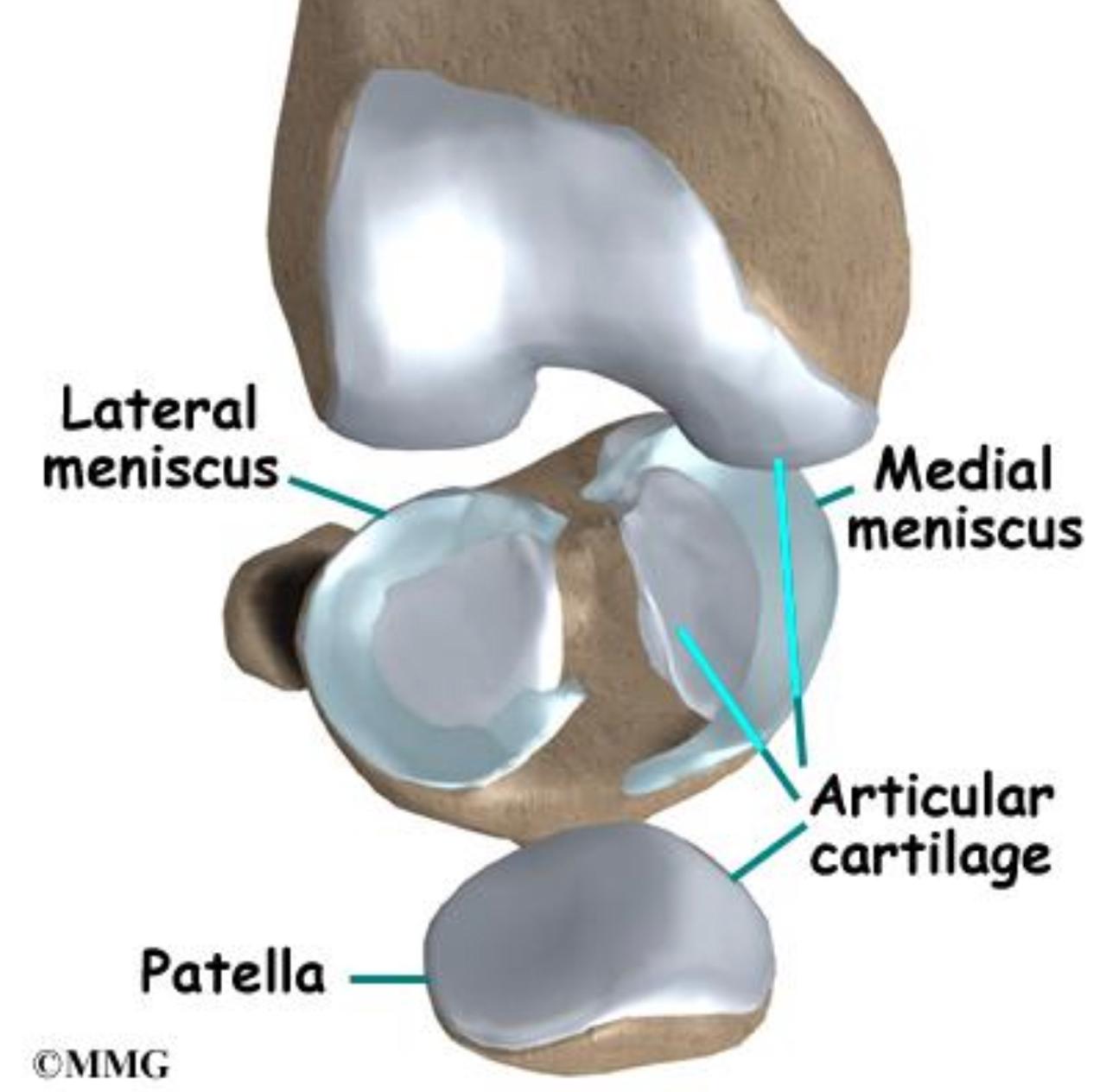
Understanding the Meniscus and Knee Anatomy
Each knee joint features two distinct menisci:
- Medial meniscus: Located on the inside part of the knee.
- Lateral meniscus: Located on the outside part of the knee.
These C-shaped cartilage structures help:
- Absorb shock during high-impact movements.
- Improve overall knee stability.
- Protect surrounding articular cartilage.
- Distribute body weight evenly across the joint.
When a meniscus tear occurs, patients frequently report symptoms that require an evaluation by an orthopaedic specialist in Bangalore. Common warning signs include:
- Persistent knee pain and swelling.
- A distinct locking or catching sensation mid-stride.
- Difficulty bending or fully extending the knee.
- A feeling of instability while walking.
Is Meniscus Surgery Considered a Major Surgery?
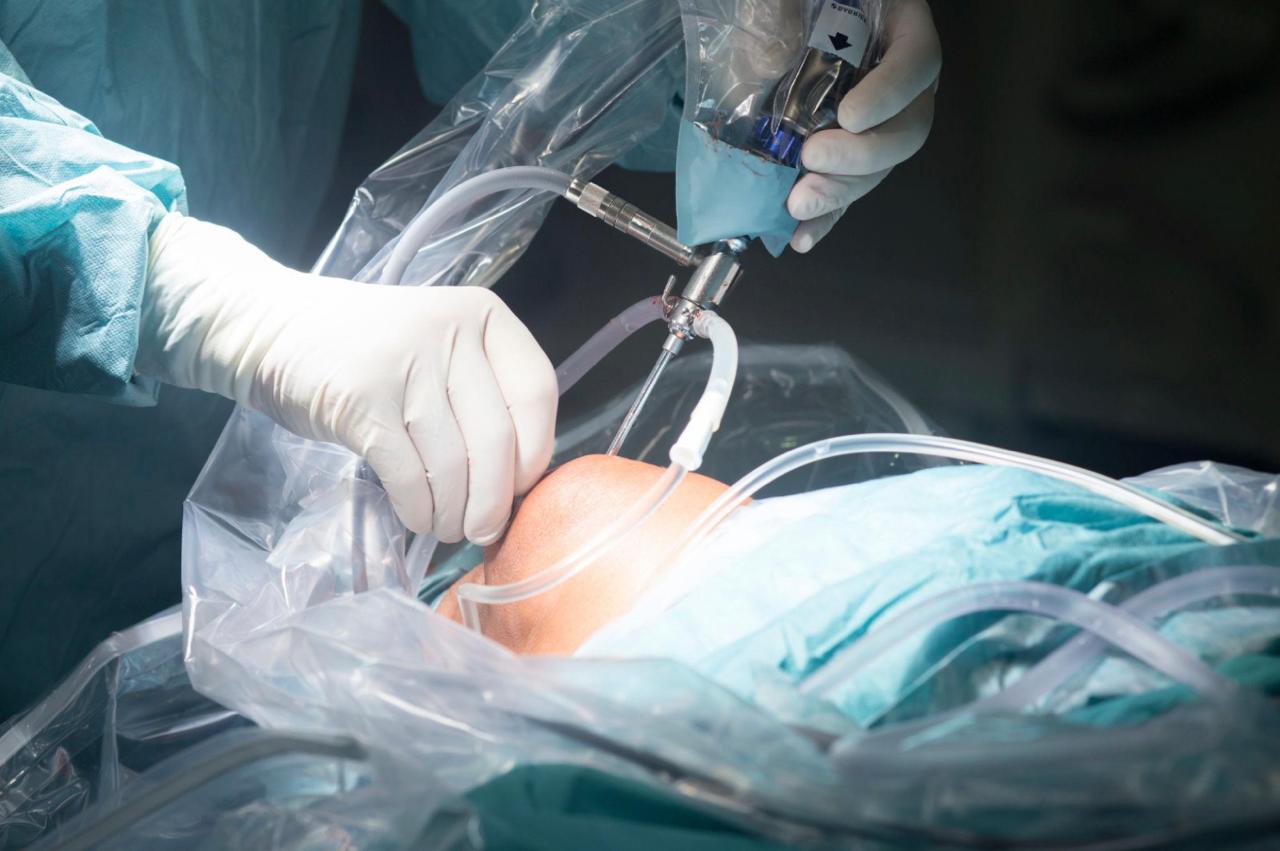
In modern orthopaedics, meniscus surgery is typically classified as a minimally invasive arthroscopic procedure rather than a major, open joint surgery.
When you consult a leading arthroscopy and sports injury specialist in Bangalore, these procedures are commonly performed using:
- Tiny, keyhole incisions less than 1 cm.
- A small, high-definition camera called an arthroscope to view inside the joint.
- Specialized micro-instruments to repair or trim the tissue.
Because of these advanced techniques, it is widely performed as a day-care or outpatient procedure, meaning most patients are discharged to go home the very same day.
However, the relative complexity and seriousness of the procedure depend on several unique patient factors:
- The size, location, and type of the tear.
- The patient's age and activity level.
- Associated ligament conditions such as a concurrent ACL or PCL tear.
- The presence of underlying knee arthritis.
- The specific type of surgical technique required.
Types of Meniscus Surgery
Depending on the nature of the injury, your surgeon will recommend one of two primary approaches:
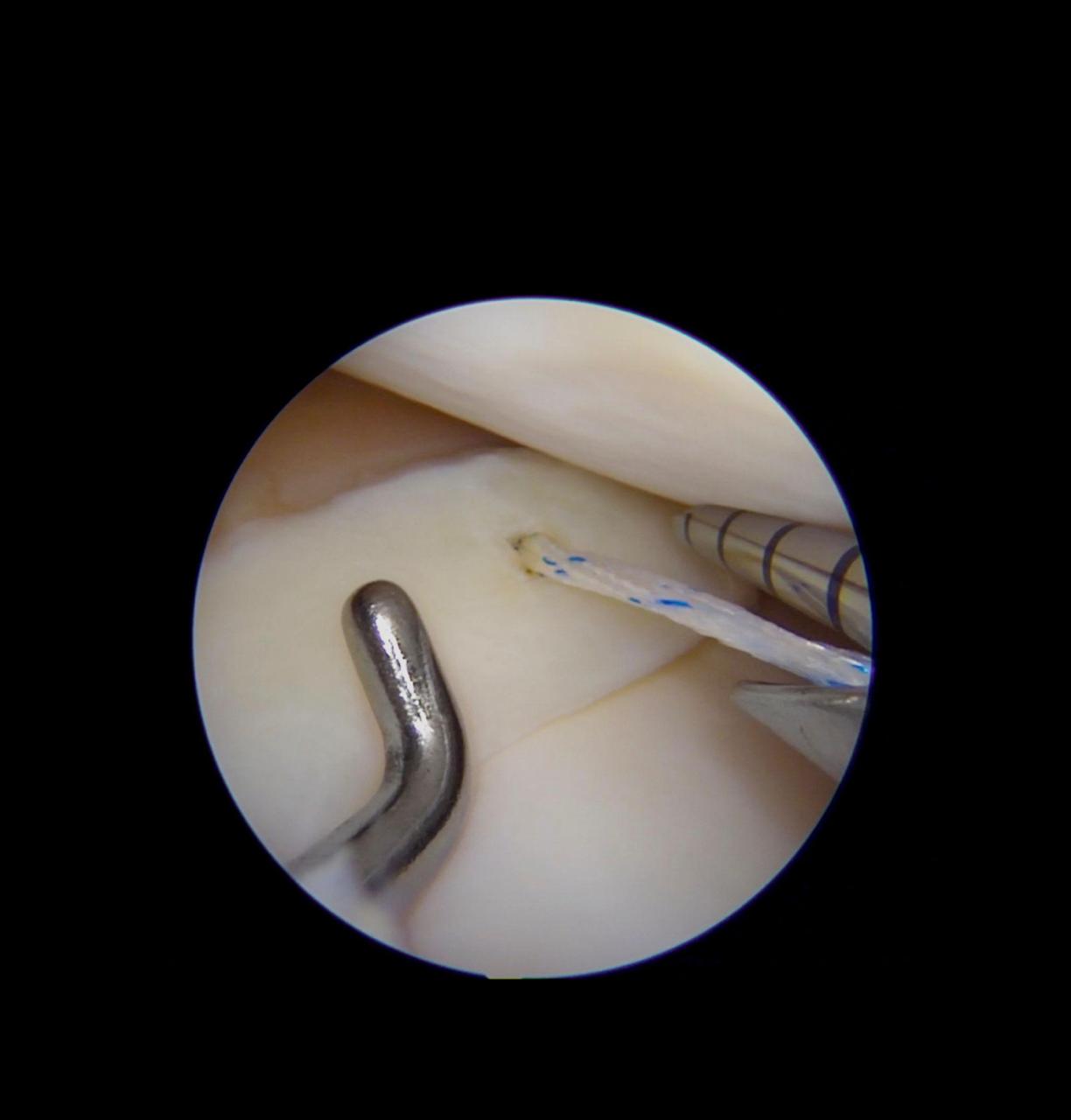
1. Meniscus Repair
In this procedure, the torn fragments of the meniscus are securely stitched back together using advanced all-inside suture techniques.
Preferred for: Younger patients, professional athletes, and tears located in the outer, blood-rich red zone which has excellent healing potential.
Advantages: Preserves the natural cartilage, maintains long-term knee health, and significantly reduces the future risk of early-onset knee arthritis.
Disadvantages: Requires a more conservative, longer recovery timeline and restricted initial weight-bearing.
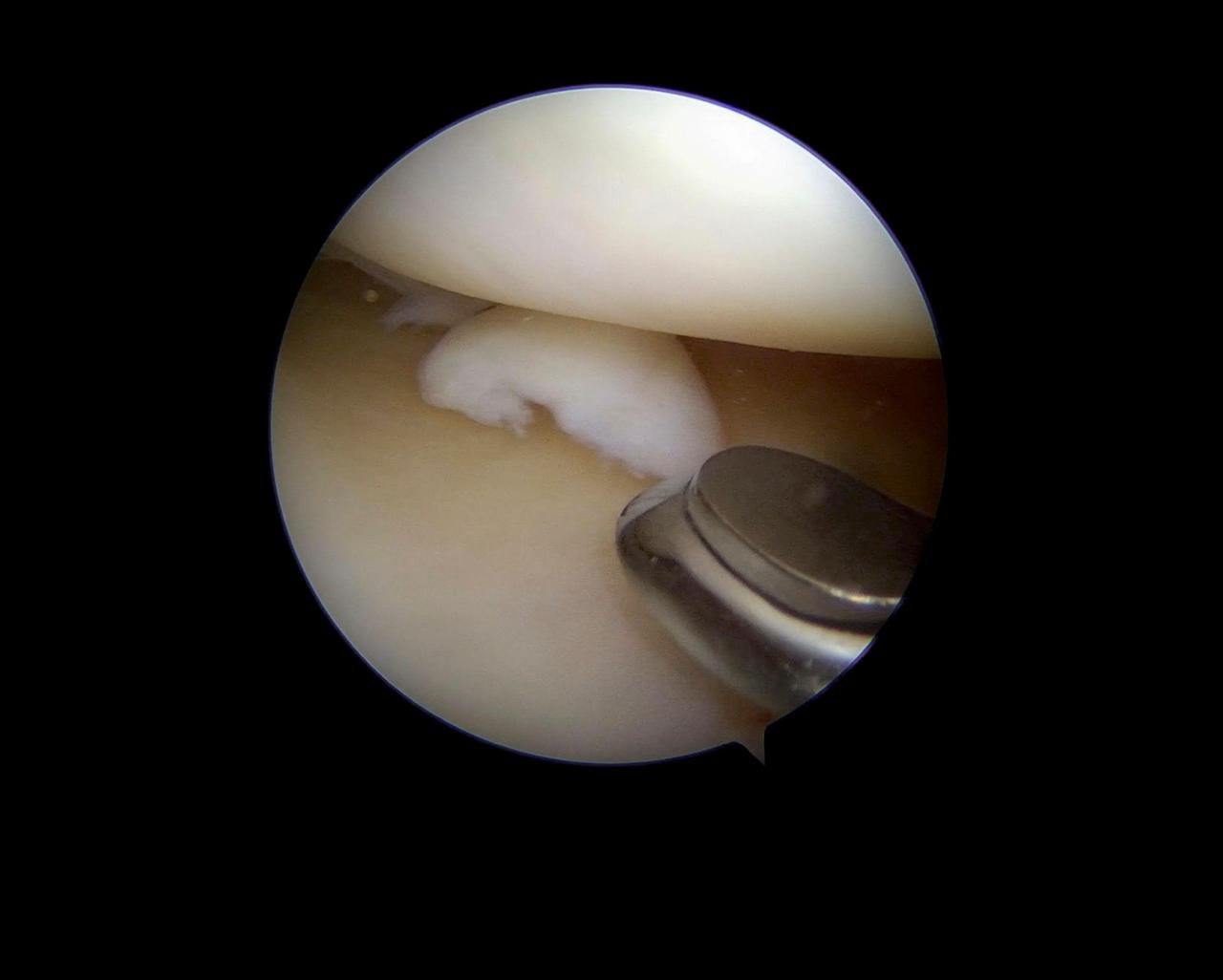
2. Partial Meniscectomy
During a partial meniscectomy, the damaged or frayed portion of the meniscus is precisely trimmed and removed, leaving the stable cartilage intact.
Preferred for: Tears that cannot be repaired due to poor tissue quality, complex patterns, or degenerative wear.
Advantages: Offers a much faster initial recovery and minimal postoperative mobility restrictions.
Disadvantages: Removes a portion of the shock absorber, which may carry a small increase in long-term arthritis risk if an excessive amount of tissue must be removed.
How Long Does the Surgery Take?
An uncomplicated arthroscopic meniscus surgery is relatively short. The typical duration ranges from 30 minutes to 1 hour. Unless additional complex interventions like ligament reconstructions are performed simultaneously, patients generally leave the facility within a few hours.
Is the Recovery Painful?
Compared to major orthopedic procedures like total knee replacement surgery, meniscus surgery recovery is generally much easier and less painful. Most patients experience:
- Mild to moderate localized pain.
- Temporary post-operative swelling.
- Mild joint stiffness during early rehabilitation.
This discomfort is highly manageable through targeted physiotherapy in Bangalore, ice therapy, elevation, rest, and prescribed anti-inflammatory medications.
Recovery Timeline: What to Expect
Your rehabilitation roadmap depends heavily on the specific procedure performed:
After a Partial Meniscectomy
- Walking: Often within a few days, bearing weight as tolerated.
- Office/Desk Work: 1-2 weeks.
- Sports & High-Impact Activity: 4-6 weeks.
After a Meniscus Repair
- Mobility: A supportive post-op brace and limited weight-bearing are usually required for the first few weeks to protect the stitches.
- Rehabilitation: Dedicated, structured physical therapy is absolutely essential.
- Return to Sports: Typically ranges from 4-6 months to ensure complete tissue fusion.
What Are the Risks of Meniscus Surgery?
While arthroscopy is exceptionally safe, no surgical procedure is entirely without risk. Potential complications, though rare, can include:
- Localized infection or blood clots (DVT).
- Persistent knee stiffness or swelling.
- Risk of a meniscus re-tear.
- Continued joint pain.
Fortunately, complication rates remain incredibly low when the procedure is performed by an experienced, fellowship-trained meniscus surgeon in Bangalore.
Can Meniscus Tears Heal Without Surgery?
Not every tear requires a trip to the operating room. Some small, stable tears located on the outer edge of the meniscus may improve with conservative care, including:
- Targeted rest and activity modification.
- Specialized knee-strengthening physiotherapy.
- Anti-inflammatory medications.
However, surgical intervention is strongly recommended if conservative treatments fail, symptoms persist, or the knee experiences mechanical locking and instability that interferes with your daily life.
Frequently Asked Questions (FAQs)
Q: Is meniscus surgery considered a major surgery?
A: No, most meniscus surgeries today are minimally invasive arthroscopic procedures and are generally not classified as major surgeries.
Q: How long does meniscus surgery take?
A: Arthroscopic meniscus surgery usually takes around 30 minutes to 1 hour, depending on the complexity of the tear.
Q: How painful is recovery after meniscus surgery?
A: Most patients experience mild to moderate pain and swelling, which can be managed with medications, ice therapy, and physiotherapy.
Q: When can I walk after meniscus surgery?
A: After a partial meniscectomy, many patients can walk within a few days. Meniscus repair may require limited weight-bearing for a few weeks.
Q: Can a meniscus tear heal without surgery?
A: Some small tears may heal with rest, physiotherapy, and medications, but larger or unstable tears often require surgery.
Q: What is the recovery time after meniscus surgery?
A: Recovery depends on the procedure. Partial meniscectomy may recover in 4-6 weeks, while meniscus repair can take 4-6 months for full sports activity.
Final Verdict: Is It a Major Surgery?
While any procedure involving anesthesia should be approached with care, meniscus surgery is generally not considered a major surgery in modern medicine. Arthroscopic innovations have made the procedure safer, less painful, minimally invasive, and significantly faster to recover from.
The ultimate key to a successful outcome relies on early diagnosis, an accurate treatment plan, skilled surgical execution, and a dedicated rehabilitation program.
Need Expert Care for Meniscus Injuries in Bangalore?
If you are experiencing persistent knee pain, swelling, or catching sensations, consulting a specialist early can prevent long-term joint damage and help you return to a pain-free lifestyle.
Consult Dr. Pradyumna R, our dual-fellowship, internationally trained sports injury specialist in Bangalore, for an accurate diagnosis and a personalized treatment plan tailored to your recovery goals.
Bangalore Orthopaedic Clinic
Centre of Excellence for Arthroscopy, Joint Replacement, Ligament Injuries & Sports Injuries
Clinic Location: BTM Layout 2nd Stage, Bengaluru, Karnataka
Call: +91-9113025188
Visit: www.drpradyumna.com