
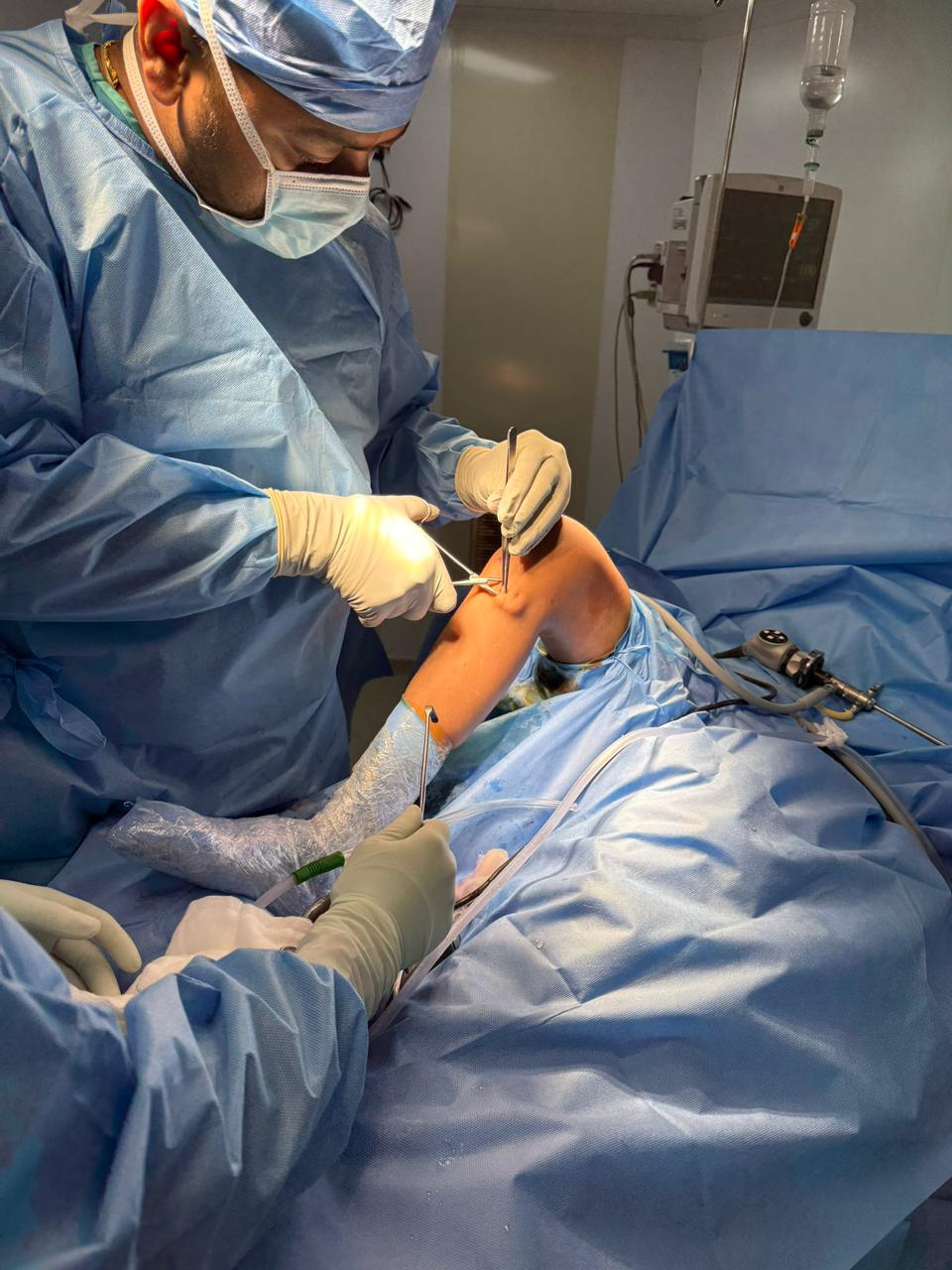
Undergoing knee replacement surgery is a major step toward living pain-free and regaining mobility. While modern techniques, especially robotic-assisted knee replacement, have significantly improved outcomes, recovery remains a gradual process that requires commitment to physiotherapy and rehabilitation.
If you’re searching for the best knee replacement recovery timeline in Bangalore, understanding what to expect each week can help reduce anxiety and keep your recovery on track.
Week 1: The Foundation Begins
The first week focuses on pain management, swelling reduction, and early movement. Most patients:
- Stand and take a few steps within 24 hours after surgery.
- Begin supervised physiotherapy in the hospital.
- Learn safe techniques for walking, sitting, and climbing a few steps.
- Use a walker for support.
It is completely normal to experience:
- Swelling around the knee
- Bruising
- Warmth around the surgical site
- Mild to moderate pain
Early movement is essential because it helps prevent stiffness, improves circulation, and lowers the risk of blood clots.
Weeks 2-4: Building Strength
By the second week, patients gradually become more independent. Recovery milestones include:
- Walking longer distances with a walker or cane
- Improved knee bending
- Better muscle activation
- Reduced pain medication requirements
- Stitches or staples are usually removed
Physiotherapy becomes increasingly important during this phase. Exercises focus on:
- Knee bending (flexion)
- Knee straightening (extension)
- Quadriceps strengthening
- Balance training
Although swelling may still persist, it should gradually improve with icing, elevation, and regular exercises.
Weeks 4-6: Returning to Daily Activities
Around one month after surgery, many patients notice significant improvements. Common achievements include:
- Walking indoors without support
- Improved confidence
- Better sleep
- Increased range of motion
- Performing basic household activities comfortably
Patients who underwent robotic knee replacement often experience smoother recovery due to more precise implant positioning and less soft tissue disruption.
Weeks 6-12: Regaining Independence
This stage marks the transition toward normal daily life. Most patients can:
- Walk independently
- Climb stairs more comfortably
- Return to office-based work
- Resume light outdoor activities
- Continue strengthening exercises
The knee continues to improve in flexibility and strength. Swelling is usually much less but may still occur after prolonged activity.
Three to Six Months: Returning to an Active Lifestyle
At this point, many patients enjoy dramatic improvements in quality of life. They often return to:
- Longer walks
- Travel
- Gardening
- Recreational cycling
- Swimming
- Low-impact fitness activities
The artificial knee begins to feel more natural as muscles regain strength.
Six Months to One Year: Complete Recovery
Although most recovery occurs within the first three months, healing continues for up to a year. By this stage, patients generally experience:
- Minimal discomfort
- Excellent joint stability
- Improved endurance
- Greater confidence in movement
- Better overall function
Consistent exercise remains important to maintain strength and protect the new joint.
Tips to Recover Faster After Knee Replacement
You can maximize your recovery by:
- Attending every physiotherapy session
- Performing home exercises consistently
- Walking regularly without overdoing it
- Applying ice to reduce swelling
- Eating a protein-rich, nutritious diet
- Maintaining a healthy weight
- Taking prescribed medications as directed
- Avoiding prolonged sitting
Following your surgeon’s rehabilitation plan is one of the most important factors influencing recovery.
Is Robotic Knee Replacement Recovery Faster?
Robotic-assisted knee replacement allows surgeons to perform highly accurate bone preparation and implant placement. Potential advantages include:
- Improved implant alignment
- Better preservation of healthy tissue
- Less postoperative pain
- Faster functional recovery
- Improved knee function
- Greater patient satisfaction
While individual recovery varies, many patients regain mobility sooner compared with conventional techniques.
Conclusion
Every patient’s recovery journey is unique, but understanding the expected timeline helps set realistic expectations. Staying committed to physiotherapy, maintaining an active lifestyle, and following your surgeon’s advice are key to achieving the best outcome.
If you’re considering knee replacement or recovering after surgery, choosing an experienced orthopaedic surgeon can make a significant difference in both your recovery and long-term results.
Frequently Asked Questions (FAQs)
1. How long is the recovery after knee replacement surgery in Bangalore?
Most patients recover sufficiently for daily activities within 6-12 weeks, while complete recovery may take 6-12 months.
2. What happens during the first week after knee replacement?
Patients usually begin walking within 24 hours, start physiotherapy, manage swelling and pain, and learn safe mobility techniques.
3. When can I walk without support after knee replacement?
Many patients walk independently between 4 and 8 weeks, depending on muscle strength and overall health.
4. How long does swelling last after knee replacement surgery?
Swelling is greatest during the first few weeks and may gradually improve over 3-6 months.
5. When can I drive after knee replacement?
Most patients can resume driving 4-6 weeks after surgery, provided they have good control of the knee and are no longer taking strong pain medications. Always follow your surgeon’s advice.
6. What exercises help speed up knee replacement recovery?
Quadriceps strengthening, straight-leg raises, heel slides, ankle pumps, stationary cycling, and supervised physiotherapy exercises are highly beneficial.
7. What should I avoid during knee replacement recovery?
Avoid high-impact sports, prolonged sitting, twisting movements, lifting heavy weights, and skipping physiotherapy sessions.
8. How long before I can climb stairs after knee replacement?
Most patients begin climbing stairs with support within the first week and can climb more comfortably by 6-8 weeks.
9. Is robotic knee replacement recovery faster?
Many patients experience smoother recovery due to improved precision, better implant positioning, and less soft tissue trauma, although recovery varies from person to person.
10. How can I recover faster after knee replacement surgery in Bangalore?
Choose an experienced knee replacement surgeon, follow your rehabilitation program diligently, stay active, eat a balanced diet, and attend all follow-up appointments.
Consult Dr. Pradyumna R - Orthopaedic Surgeon & Sports Medicine Specialist
Whether you’re considering knee replacement surgery or need guidance during recovery, expert care can make all the difference.
Bangalore Orthopaedic Clinic - Bone & Joint Care
450, 6th Main, 7th Cross, Mico Layout, Opposite Third Wave Coffee, BTM 2nd Stage, Bengaluru - 560076
Appointments: +91 91130 25188
Website: www.drpradyumna.com
Book your consultation today and take the first step toward pain-free movement with expert orthopaedic care.