
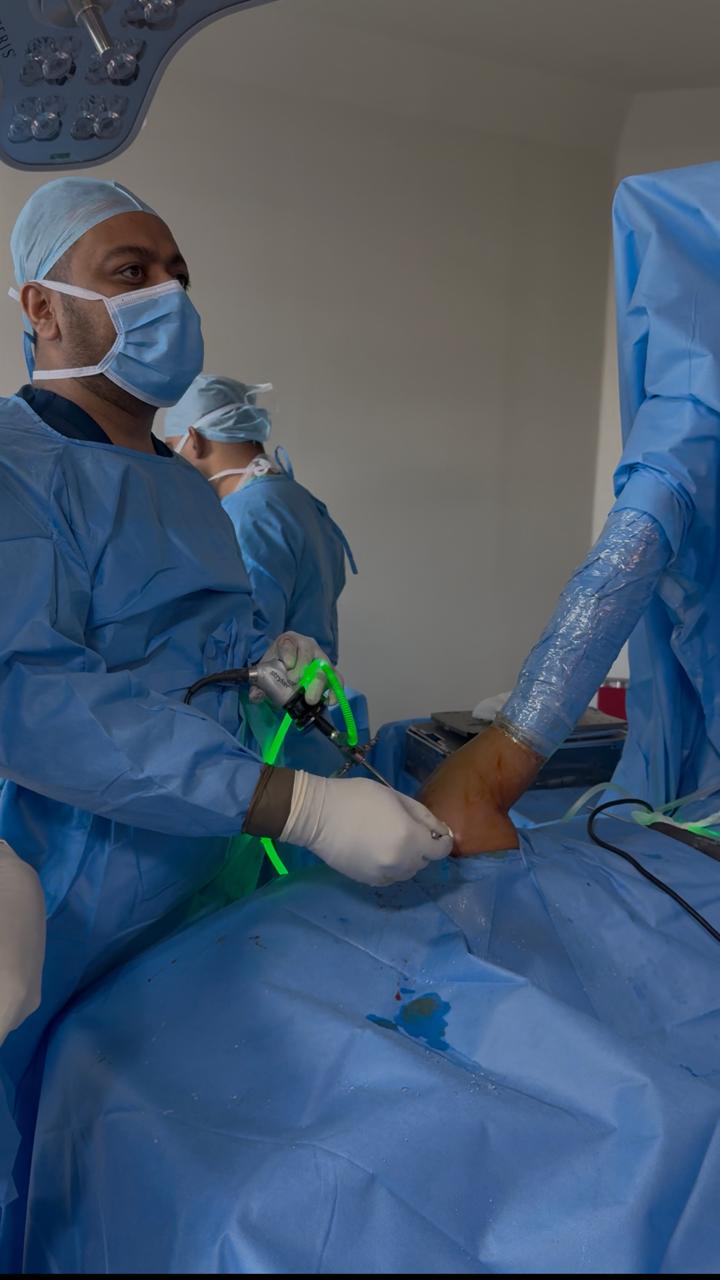
A scapula fracture, commonly called a shoulder blade fracture, is an uncommon but potentially serious injury involving the flat triangular bone at the back of the shoulder. Because the scapula is surrounded and protected by strong muscles and the chest wall, fractures often occur after significant trauma such as a road traffic accident, a fall from height, or a high-impact sports injury. The scapula plays an important role in shoulder stability and movement. Depending on the location and displacement of the fracture, an injury can affect the scapular body, neck, glenoid (shoulder socket), acromion, or coracoid process. If you are looking for scapula fracture treatment in Bangalore, early assessment by an orthopaedic surgeon experienced in shoulder injuries can help determine whether conservative management is sufficient or whether surgical fixation is required.
What Are the Symptoms of a Scapula Fracture?
Symptoms vary depending on the severity and location of the fracture. Common signs include:
-
Severe Pain: Severe pain around the shoulder blade or upper back
-
Swelling & Bruising: Swelling and bruising around the shoulder
-
Pain with Movement: Pain when moving the arm or shoulder
-
Lifting Difficulty: Difficulty lifting the arm
-
Tenderness: Tenderness over the shoulder blade
-
Pain with Breathing: Pain while taking a deep breath in some patients
-
Reduced Movement: Reduced shoulder movement
-
Grinding or Clicking: A grinding or clicking sensation in more severe injuries
Because scapula fractures are often caused by high-energy trauma, associated injuries to the ribs, lungs, clavicle, or surrounding structures may also occur.
What Causes a Scapula Fracture?
The scapula is a strong bone and usually requires considerable force to fracture. Common causes include:
Road traffic accidents
High-energy impacts involving cars or two-wheelers are an important cause.
Falls from height
Landing directly on the shoulder or upper back can transmit significant force to the scapula.
Sports injuries
Contact sports, cycling accidents, or high-impact sports injuries can occasionally result in scapular fractures.
Direct trauma
A strong direct blow to the shoulder blade may cause a fracture.
Less commonly, fractures can occur after relatively minor trauma when the bone has been weakened by osteoporosis or another underlying bone condition.
How Is a Scapula Fracture Diagnosed?
Diagnosis begins with a clinical examination. The orthopaedic surgeon assesses the location of pain, swelling, shoulder movement, neurological function, and signs of associated injuries. Imaging may include:
-
X-Rays: X-rays to identify the fracture and evaluate its location.
-
CT Scans: CT scans to provide detailed information about fracture displacement, particularly when the glenoid or other complex parts of the scapula are involved.
-
Additional Imaging: Additional imaging may be recommended when associated shoulder, chest, or soft-tissue injuries are suspected.
Accurate imaging is particularly important when deciding whether scapula fracture surgery in Bangalore may be necessary.
Treatment for Scapula Fractures
Treatment depends on the fracture pattern, displacement, involvement of the shoulder joint, associated injuries, and the patient’s overall condition.
Non-Surgical Treatment
Most uncomplicated or minimally displaced scapula fractures can be managed without surgery. Treatment may include:
-
Arm Support: Temporary arm support with a sling
-
Pain Management: Pain-relieving medication
-
Ice Application: Ice during the initial period when appropriate
-
Gradual Movement: Gradual shoulder movement as advised
-
Rehabilitation: Physiotherapy and rehabilitation
Keeping the shoulder immobilised for too long can contribute to stiffness. Therefore, the timing of movement and rehabilitation should be guided by the treating orthopaedic surgeon.
When Is Scapula Fracture Surgery Required?
Surgery is not required for every scapula fracture. It may be considered when there is substantial displacement, significant deformity, instability, certain fractures involving the glenoid or shoulder joint, or particular complex fracture patterns. Surgical treatment generally aims to restore the anatomy and stability of the shoulder using plates and screws where appropriate. The decision is individualised after evaluating imaging findings, the patient’s functional requirements, and associated injuries.
Recovery After a Scapula Fracture
Bone healing commonly takes approximately 6–12 weeks, although recovery varies considerably depending on the type and severity of fracture. For patients treated without surgery, rehabilitation generally progresses from protected movement to gradually increasing shoulder mobility and strengthening. After surgery, rehabilitation is carefully planned to protect the repair while preventing excessive stiffness. Returning to strenuous work, gym activities, or sports should occur only after adequate bone healing, strength, and shoulder function have returned.
Can a Scapula Fracture Cause Long-Term Shoulder Problems?
Many patients recover good shoulder function, particularly when the fracture is appropriately treated and rehabilitation is completed. Complex fractures can sometimes lead to persistent stiffness, weakness, altered shoulder mechanics, chronic shoulder pain, or post-traumatic arthritis, particularly when the glenoid surface is involved. Early diagnosis, appropriate fracture management, and structured physiotherapy can help reduce these risks.
Frequently Asked Questions About Scapula Fractures
1. What are the symptoms of a scapula fracture?
Common symptoms include shoulder blade pain, swelling, bruising, tenderness, difficulty moving the arm, and pain when lifting or rotating the shoulder.
2. What causes a scapula fracture?
Most scapula fractures result from high-energy trauma such as road traffic accidents, falls from height, sports injuries, or a significant direct impact to the shoulder blade.
3. How is a scapula fracture diagnosed?
Diagnosis typically involves clinical examination and X-rays. A CT scan may be required to understand complex fractures or assess displacement and involvement of the shoulder joint.
4. Is surgery always needed for a scapula fracture?
No. Many scapula fractures are minimally displaced and can heal successfully with non-surgical treatment.
5. What is the treatment for a non-displaced scapula fracture?
Treatment usually involves short-term sling support, pain management, gradual mobilisation, and physiotherapy as healing progresses.
6. When is surgery required for a scapula fracture?
Surgery may be recommended for significantly displaced fractures, certain glenoid fractures, unstable injuries, substantial deformity, or complex fracture patterns where restoring shoulder anatomy is important.
7. How long does a scapula fracture take to heal?
Initial bone healing commonly takes around 6–12 weeks. Regaining full shoulder strength and function can take longer depending on the severity of the injury.
8. What is the recovery process after scapula fracture surgery?
Recovery usually involves an initial period of protection followed by progressive shoulder movement, physiotherapy, strengthening, and gradual return to normal activities.
9. Can a scapula fracture affect shoulder movement permanently?
Most patients regain useful shoulder movement. However, severe fractures—particularly those involving the joint surface—can occasionally cause persistent stiffness, weakness, pain, or arthritis.
10. What complications can occur from a scapula fracture?
Potential complications include shoulder stiffness, weakness, chronic pain, malunion, nerve-related symptoms, and post-traumatic arthritis. High-energy injuries may also be associated with chest or other shoulder-girdle injuries.
11. Is physiotherapy needed after a scapula fracture?
Yes, rehabilitation is an important part of recovery for many patients. Physiotherapy helps restore shoulder mobility, strength, coordination, and function after sufficient healing.
12. Can a scapula fracture happen without a major accident?
Yes, although it is less common. A direct sports injury or fall can cause a fracture, and weakened bones may fracture with comparatively lower forces.
13. How is a scapula fracture different from a shoulder dislocation?
A scapula fracture is a break in the shoulder blade bone. A shoulder dislocation occurs when the head of the upper-arm bone moves out of the shoulder socket. In severe trauma, both injuries can occasionally occur together.
14. Who treats scapula fractures in Bangalore?
Scapula fractures are treated by orthopaedic surgeons, particularly surgeons with expertise in shoulder surgery and complex trauma. Dr. Pradyumna R is an orthopaedic surgeon in Bangalore with expertise in shoulder surgery, sports injuries, arthroscopy, fractures, and complex shoulder conditions. Patients searching for a shoulder blade fracture doctor in Bangalore or scapula fracture orthopaedic surgeon in Bangalore can seek specialist evaluation to determine the appropriate treatment based on the fracture pattern.
Consult Dr. Pradyumna R for Scapula & Shoulder Injuries in Bangalore
If you have sustained a shoulder injury following an accident, fall, or sports injury, early assessment can help identify fractures and associated injuries and establish an appropriate treatment plan.
Dr. Pradyumna R
Consultant Orthopaedic Surgeon | Knee &
Shoulder Surgery | Sports Medicine | Arthroscopy | Joint Replacement
Bangalore Orthopaedic Clinic
#450, Ground Floor, 6th Main, 7th Cross Mico Layout, Opposite Third Wave Coffee BTM Layout 2nd
Stage Bengaluru, Karnataka – 560076
Appointments: +91 91130 25188