

Shoulder pain is one of the most common complaints among people of all ages—whether you're an athlete, a working professional, or someone dealing with daily wear and tear. But not all shoulder pain is the same. Two of the most frequently confused conditions are shoulder impingement and rotator cuff tears.
Understanding the difference is crucial because the treatment approach, recovery time, and long-term outcomes can vary significantly. In this blog, we'll break down what shoulder impingement is, how it differs from a tear, and when you should seek medical help.
What is Shoulder Impingement?
Shoulder impingement occurs when the tendons of the rotator cuff get compressed or “pinched" between the bones of the shoulder—especially during arm movements like lifting, reaching, or overhead activity. Persistent symptoms may need evaluation by a shoulder arthroscopy surgeon.
This condition typically involves the space between the acromion (top part of the shoulder blade) and the rotator cuff tendons. When this space narrows due to inflammation, bone shape, or repetitive use, the tendons get irritated.
Common Causes of Shoulder Impingement
- Repetitive overhead activities (sports like cricket, badminton, swimming)
- Poor posture (rounded shoulders, desk jobs)
- Muscle imbalances or weakness
- Age-related degeneration
- Bone spurs narrowing the shoulder space
What is a Rotator Cuff Tear?
A rotator cuff tear is a more serious condition where one or more of the rotator cuff tendons are partially or completely torn.
The rotator cuff is a group of muscles and tendons that stabilize your shoulder joint and allow smooth movement. When these tendons are damaged, it directly impacts strength and mobility.
Types of Tears
- Partial Tear – tendon is damaged but not completely severed
- Full Thickness Tear – tendon is completely torn from the bone
Causes of Rotator Cuff Tears
- Sudden injury (fall, lifting heavy weight)
- Chronic wear and tear over time
- Untreated shoulder impingement progressing to a tear
- Age-related degeneration (common after 40)
Key Differences: Shoulder Impingement vs Tear
Understanding the symptoms can help you identify what you might be dealing with:
1. Pain Pattern
Shoulder Impingement:
- Pain during movement, especially when lifting the arm
- Pain reduces at rest
- Often felt at the front or side of the shoulder
Rotator Cuff Tear:
- Persistent pain, even at rest
- Night pain—especially when lying on the affected side
- Deep, aching discomfort
2. Range of Motion
Shoulder Impingement:
- Painful but possible movement
- Stiffness during overhead activity
Rotator Cuff Tear:
- Difficulty lifting the arm
- Limited active movement
- May need assistance to raise the arm
3. Strength
Shoulder Impingement:
- Mild weakness due to pain
Rotator Cuff Tear:
- Significant weakness
- Difficulty holding or lifting objects
4. Onset of Symptoms
Shoulder Impingement:
- Gradual onset
- Develops over time
Rotator Cuff Tear:
- Sudden (after injury) or progressive
- Symptoms worsen over time
Can Shoulder Impingement Lead to a Tear?
Yes—this is one of the most important things patients should understand.
If shoulder impingement is left untreated, the continuous friction and irritation can weaken the tendon over time. Eventually, this may lead to a rotator cuff tear.
This is why early diagnosis and treatment are critical.
When Should You See a Doctor?
You should consult an orthopaedic specialist if you notice:
- Shoulder pain lasting more than 2–3 weeks
- Difficulty lifting your arm
- Weakness in the shoulder
- Night pain affecting sleep
- Pain after a fall or injury
Early evaluation can prevent minor conditions like shoulder impingement from progressing into more serious injuries.
How Are These Conditions Diagnosed?
A specialist will typically perform:
- Clinical Examination – checking movement, strength, and pain points
- X-ray – to identify bone structure or spurs
- MRI Scan – to assess tendon damage or tears
Accurate diagnosis is essential to choose the right treatment.
Treatment Options
Treatment for Shoulder Impingement
Most cases can be managed without surgery:
- Rest and activity modification
- Anti-inflammatory medications
- Physiotherapy (strengthening + posture correction)
- Steroid injections (in selected cases)
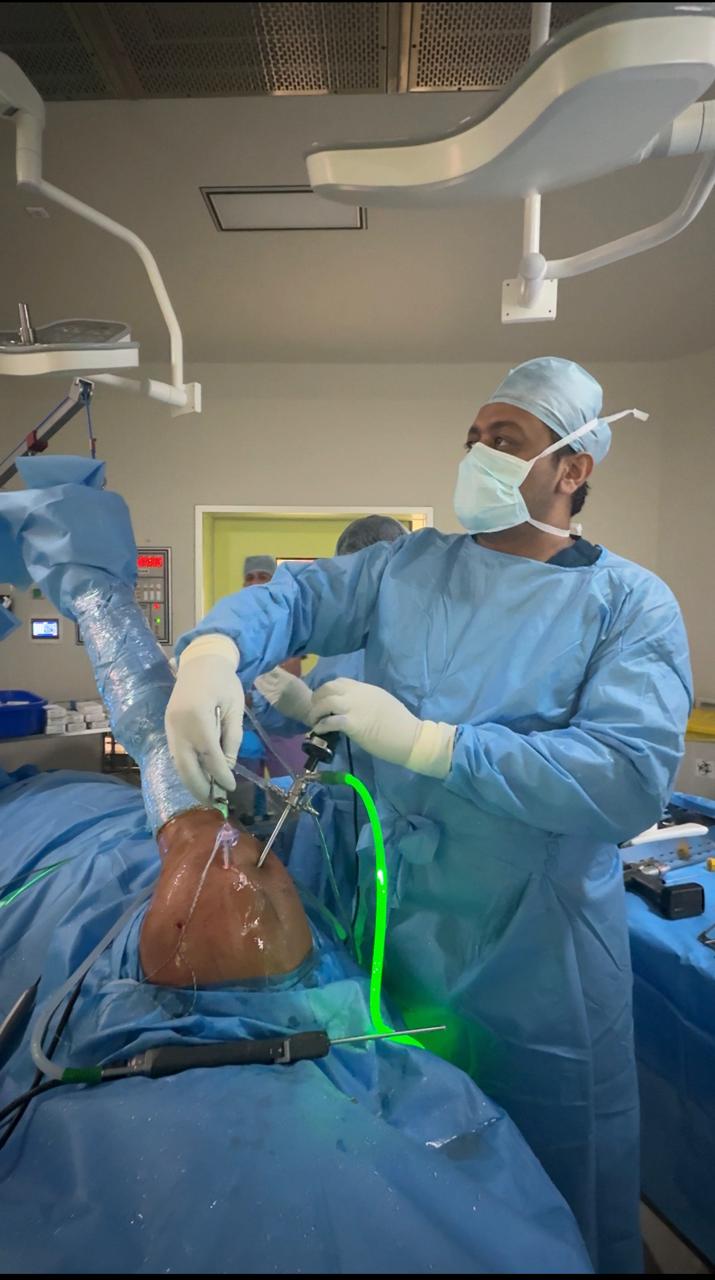
In persistent cases, arthroscopic surgery may be recommended to create more space and reduce impingement.
Treatment for Rotator Cuff Tear
Treatment depends on the severity:
Non-Surgical
- Physiotherapy
- Pain management
- Activity modification
Surgical
- Arthroscopic Rotator Cuff Repair
- Minimally invasive procedure
- Faster recovery and better outcomes when done early
Recovery Timeline
- Shoulder Impingement: 4–8 weeks with proper physiotherapy
-
Rotator Cuff Tear (Post Surgery): 3–6 months for full recovery
- Structured rehabilitation is essential
Prevention Tips
To avoid shoulder problems:
- Strengthen shoulder and back muscles
- Maintain proper posture
- Avoid repetitive overhead strain
- Warm up before sports or workouts
- Don't ignore early pain
Key Takeaway
While shoulder impingement and rotator cuff tears may start with similar symptoms, they are very different conditions in terms of severity and treatment.
The key takeaway?
Don't ignore shoulder pain. Early intervention can prevent long-term damage and help you return to normal activity faster.
CTA – Consult Dr. Pradyumna
If you're experiencing persistent shoulder pain or suspect shoulder impingement, it's important to get the right diagnosis and treatment plan.
Dr. Pradyumna R specializes in advanced arthroscopic shoulder procedures and sports injury management.
Bangalore Orthopaedic Clinic
+91 9113025188
Book your consultation today and take the first step toward pain-free movement.
Frequently Asked Questions
1. What is shoulder impingement?
Shoulder impingement occurs when rotator cuff tendons are compressed or irritated under the acromion, causing pain during lifting, reaching, or overhead activity.
2. What causes shoulder impingement?
Common causes include repetitive overhead use, poor posture, muscle imbalance, rotator cuff inflammation, bone spurs, and age-related narrowing of the shoulder space.
3. How is shoulder impingement different from a rotator cuff tear?
Impingement usually involves tendon irritation or pinching, while a rotator cuff tear means one or more tendons are partially or completely torn.
4. Can shoulder impingement become a rotator cuff tear?
Yes. Untreated impingement can cause repeated tendon friction and inflammation, which may weaken the tendon and increase the risk of a rotator cuff tear.
5. When should I see a doctor for shoulder impingement?
See an orthopaedic specialist if shoulder pain lasts more than 2 to 3 weeks, affects sleep, causes weakness, limits lifting, or follows a fall or injury.
6. How is shoulder impingement diagnosed?
Diagnosis usually includes clinical examination, movement and strength testing, X-rays to assess bone structure, and MRI when tendon damage or a tear is suspected.
7. Can shoulder impingement be treated without surgery?
Most cases improve with rest, activity modification, anti-inflammatory medication, physiotherapy, posture correction, and shoulder strengthening exercises.
8. When is surgery needed for shoulder impingement?
Surgery may be considered when pain and restricted movement persist despite adequate non-surgical care. Arthroscopic decompression may be used to create more space.
9. How long does recovery take after shoulder impingement treatment?
Many patients improve within 4 to 8 weeks with physiotherapy. Recovery after arthroscopic surgery may take longer and depends on the procedure and rehabilitation.
10. Who treats shoulder impingement in Bangalore?
A shoulder and sports medicine specialist can evaluate shoulder impingement, confirm whether a rotator cuff tear is present, and recommend physiotherapy, injections, or arthroscopy when needed.