Supraspinatus tendinopathy is one of the most common causes of shoulder pain, stiffness, and weakness. The supraspinatus tendon is a crucial component of the rotator cuff, responsible for lifting your arm away from your side and stabilizing the shoulder joint. When this tendon becomes inflamed, irritated, or degenerated due to repetitive overhead motion or age-related wear, everyday tasks like combing your hair, reaching overhead, or sleeping on your side can become painful. If you are experiencing persistent shoulder discomfort and seeking specialized care for supraspinatus tendinopathy in Bangalore, evaluation by an experienced orthopaedic shoulder specialist like Dr. Pradyumna R can help restore pain-free movement through evidence-based non-surgical therapies or advanced arthroscopic repair.
What Is Supraspinatus Tendinopathy?
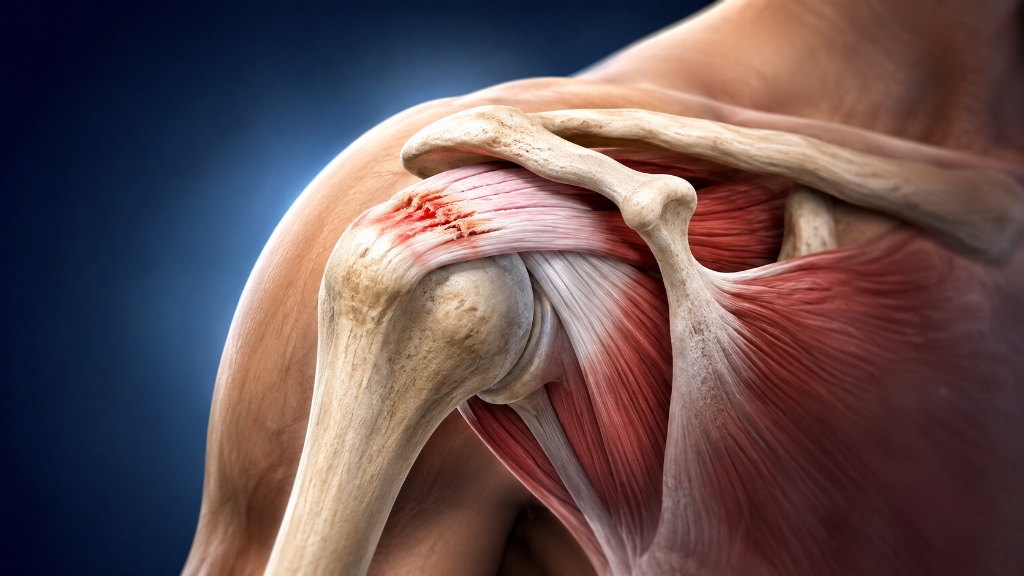
Supraspinatus tendinopathy refers to irritation, inflammation, or structural degradation of the supraspinatus tendon. The rotator cuff comprises four muscles—supraspinatus, infraspinatus, teres minor, and subscapularis. Among these, the supraspinatus tendon is most vulnerable to micro-trauma because it passes through a narrow anatomical space called the subacromial space beneath the acromion bone.
Tendinopathy encompasses a spectrum of conditions:
-
Supraspinatus Tendinitis: Acute inflammation of the tendon, often following sudden unaccustomed activity or overuse.
-
Supraspinatus Tendinosis: Chronic non-inflammatory degeneration and collagen breakdown within the tendon due to repetitive stress.
-
Partial-Thickness Tear: Fraying or partial tear of the supraspinatus tendon fibers without complete detachment.
Can Supraspinatus Tendinopathy Be Cured Completely?
Yes, supraspinatus tendinopathy can be cured completely in the vast majority of cases. With early diagnosis and a comprehensive treatment plan, patients can achieve full pain relief and recover full shoulder function.
Key factors that determine successful recovery include:
-
Early Intervention: Treating tendinopathy in its early inflammatory stage prevents chronic tissue breakdown and structural tears.
-
Targeted Physical Therapy: Eccentric strengthening of the rotator cuff and scapular stabilization exercises promote collagen remodeling and tendon healing.
-
Advanced Regenerative Therapies: Treatments like Platelet-Rich Plasma (PRP) injections encourage biological tendon healing in stubborn cases.
-
Minimally Invasive Arthroscopic Surgery: For severe or full-thickness tears that do not respond to conservative care, arthroscopic rotator cuff repair provides definitive anatomical restoration.
Common Causes and Risk Factors
Supraspinatus tendinopathy typically develops from a combination of mechanical impingement and intrinsic tendon degradation:
1. Repetitive Overhead Activities
Activities involving repeated overhead arm elevation—such as swimming, tennis, badminton, painting, overhead weightlifting, and construction work—cause constant friction of the supraspinatus tendon against the acromion.
2. Subacromial Impingement
Anatomical variations such as a hooked acromion or bone spurs narrow the subacromial space, pinching the tendon during arm lifting. Learn more about shoulder impingement treatment in Bangalore.
3. Poor Posture & Scapular Dyskinesis
Rounded shoulders and improper movement of the shoulder blade alter joint mechanics, decreasing space for the supraspinatus tendon and accelerating wear.
4. Age-Related Vascularity Changes
As we age, blood supply to the "critical zone" of the supraspinatus tendon decreases, reducing its ability to repair minor wear and tear automatically.
Recognizing the Symptoms of Supraspinatus Tendinopathy
Symptoms usually develop gradually and worsen if left unmanaged. Watch out for:
-
Dull Shoulder Ache: Persistent pain at the top and side of the shoulder radiating into the upper arm.
-
Painful Arc: Sharp pain when lifting the arm sideways between 60° and 120°.
-
Night Pain: Inability to sleep on the affected shoulder. Read our guide on shoulder pain at night treatment in Bangalore.
-
Weakness: Difficulty lifting, carrying objects, or reaching behind the back.
-
Clicking or Catching: A subtle popping or catching sensation during arm movement.
How Is Supraspinatus Tendinopathy Diagnosed?
Accurate diagnosis involves clinical assessment combined with advanced diagnostic imaging:
-
Clinical Evaluation & Special Tests: Physical examination using the Empty Can Test (Jobe's test), Neer's Test, and Hawkins-Kennedy Test to pinpoint tendon involvement.
-
Shoulder MRI Scan: Provides high-resolution detail of tendon tissue, distinguishing between tendinosis, partial tears, and full-thickness tears.
-
Musculoskeletal Ultrasound: Dynamic real-time assessment of tendon movement and impingement.
-
X-Rays: Rule out bone spurs, acromial spurs, or calcific tendinitis.
Treatment Options for Supraspinatus Tendinopathy
1. Non-Surgical & Conservative Management (First-Line)
Over 85% of supraspinatus tendinopathy cases heal successfully without surgery using structured conservative care:
-
Activity Modification & Relative Rest: Temporary avoidance of painful overhead movements while maintaining shoulder range of motion.
-
Targeted Physical Therapy: Customized rehabilitation focusing on rotator cuff strengthening, posture correction, and scapular control.
-
Platelet-Rich Plasma (PRP) Therapy: Concentrated growth factors injected into the tendon to stimulate biological repair in chronic tendinosis.
-
Subacromial Corticosteroid Injections: Targeted anti-inflammatory injection to relieve severe acute pain and enable active physiotherapy.
2. Surgical Treatment (When Surgery Is Necessary)
If conservative treatment for 3 to 6 months yields insufficient relief, or if there is a significant full-thickness tendon tear, surgical intervention is recommended.
-
Arthroscopic Subacromial Decompression: Removal of bone spurs and smoothing of the acromion undersurface to expand the subacromial space.
-
Arthroscopic Rotator Cuff Repair: Keyhole surgical reattachment of the supraspinatus tendon to the humeral bone using high-strength suture anchors. Explore rotator cuff repair options in Bangalore.
Recovery Timeline & Rehabilitation
Recovery depends on severity and treatment approach:
-
Mild Tendinitis: 4 to 6 weeks with physical therapy and activity modification.
-
Chronic Tendinosis / Partial Tear: 8 to 12 weeks of structured rehabilitation and regenerative therapy.
-
Post-Arthroscopic Repair: 4 to 6 months for complete tendon-to-bone integration and full sports return.
Prevention & Shoulder Care Tips
Maintain Good Ergonomics & Posture
Keep your shoulders pulled back and down during desk work to prevent subacromial crowding.
Warm Up Before Sports & Workouts
Always warm up rotator cuff muscles with light dynamic stretches and resistance band exercises prior to overhead sports or heavy gym sessions.
Strengthen Scapular Stabilizers
Include rows, face pulls, and Blackburn exercises in your workout routine to keep shoulder blade movement synchronized.
Frequently Asked Questions About Supraspinatus Tendinopathy
1. Can supraspinatus tendinopathy heal on its own?
Mild acute tendinitis can improve with rest and ice, but chronic tendinosis or partial tears usually require targeted physical therapy and medical guidance to restore tendon strength and prevent re-injury.
2. What is the difference between supraspinatus tendinitis and a rotator cuff tear?
Supraspinatus tendinitis is inflammation of the tendon without structural disruption. A rotator cuff tear involves partial or complete tearing of tendon fibers away from the bone.
3. Is physical therapy effective for supraspinatus tendinopathy?
Yes, structured physical therapy focusing on eccentric rotator cuff loading, posture correction, and scapular stabilization is the gold standard conservative treatment.
4. Should I sleep on the affected shoulder?
No, sleeping on the affected shoulder compresses the supraspinatus tendon against the acromion and reduces microvascular blood flow, exacerbating pain. Sleep on your uninjured side with a pillow supporting the arm.
5. When should I consider surgery for supraspinatus tendinopathy?
Surgery is considered when severe pain and functional limitations persist after 3-6 months of conservative therapy, or when an MRI confirms a full-thickness rotator cuff tear.