
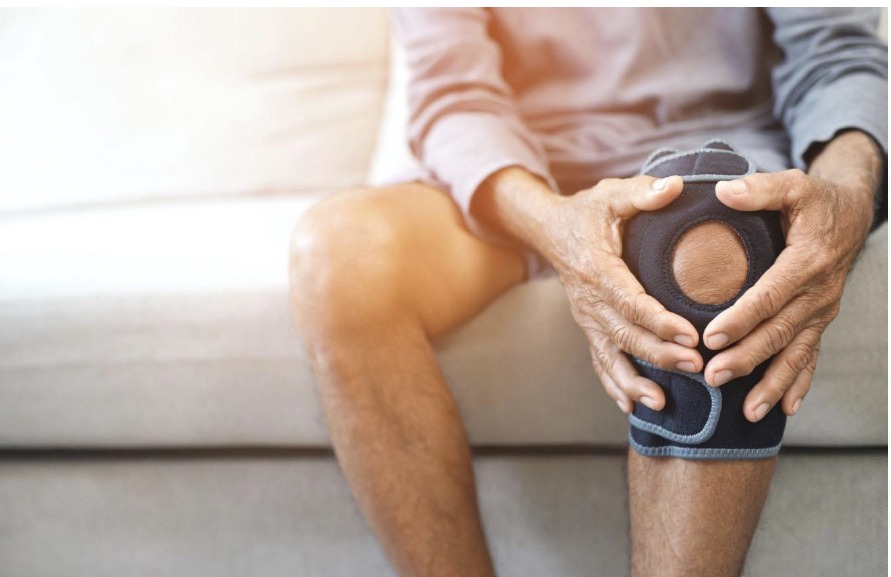
Knee pain is frequently dismissed as a temporary issue brought on by overuse, aging, or a minor sprain. However, persistent discomfort in the joint is often an early warning sign of knee arthritis, a progressive condition that gradually degrades the protective joint cartilage, severely affecting your mobility, flexibility, and overall quality of life.
If you are noticing changes in how your joints move, recognizing these subtle, early symptoms and seeking timely medical intervention from a specialist can drastically slow the progression of the disease, alleviate chronic pain, and preserve your long-term joint function.
What is Knee Arthritis?
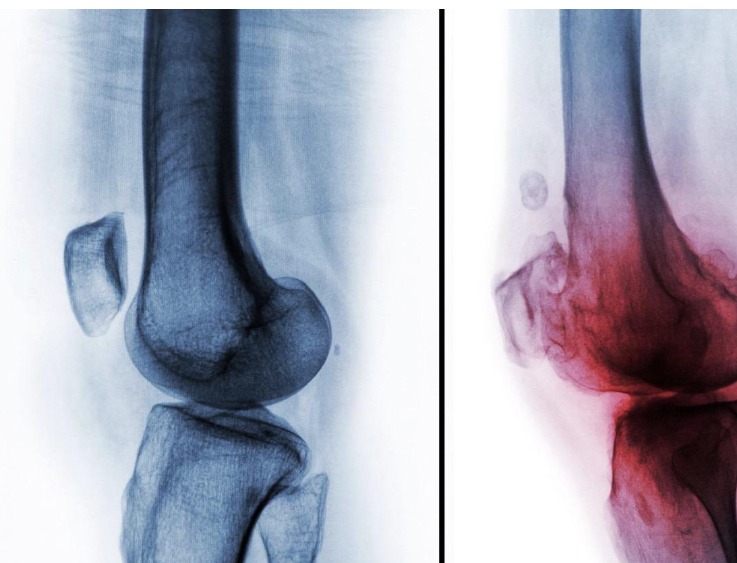
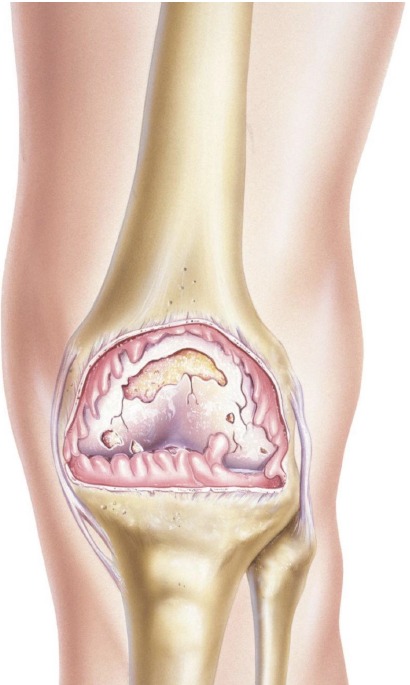
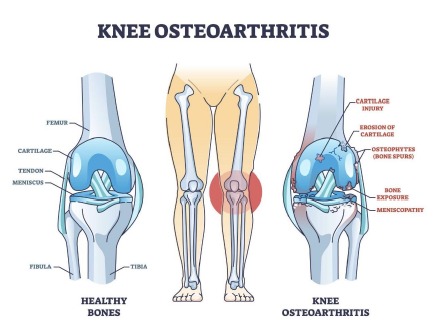
Knee arthritis occurs when the slippery, protective cartilage cushioning the ends of your bones begins to wear away. As this cushion thins, it creates friction between the bones, leading to chronic localized pain, inflammation, stiffness, and structural changes within the joint.
- Osteoarthritis (OA): The most common type, developing gradually due to mechanical wear and tear.
- Rheumatoid Arthritis (RA): An autoimmune condition causing systemic joint inflammation.
- Post-Traumatic Arthritis: Accelerated joint wear that develops years after an initial knee injury, such as a ligament tear or bone fracture.
Early Signs of Knee Arthritis You Should Never Ignore
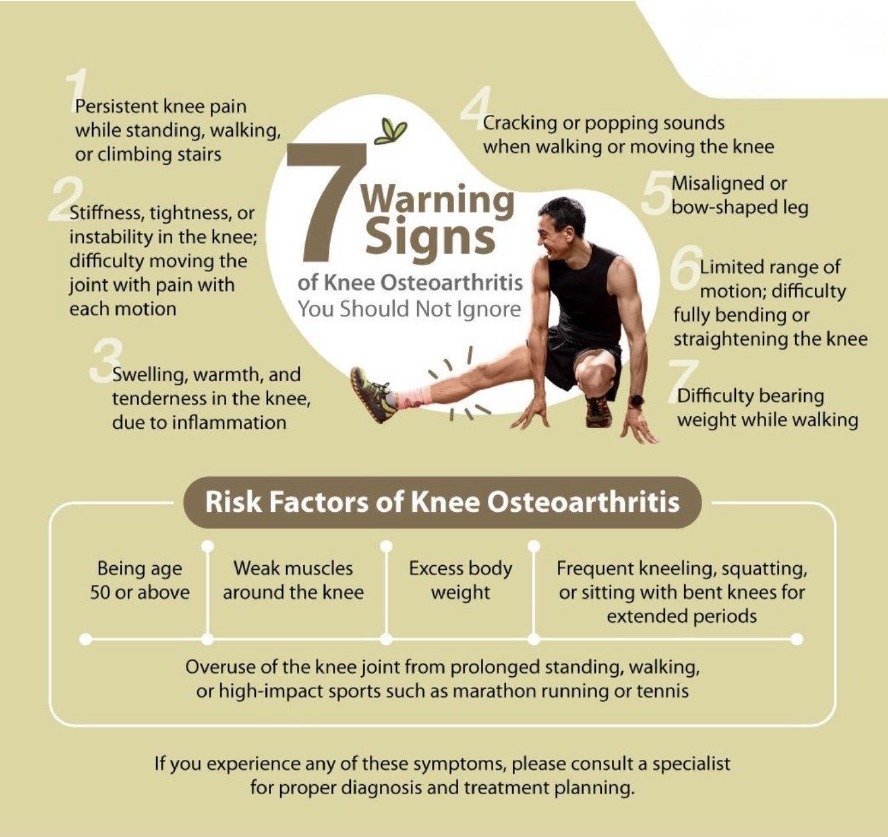
Paying close attention to how your joints feel during daily movements can help you catch arthritis in its initial stages. If you are looking for an accurate assessment of knee pain treatment in Bangalore, watch out for these seven common early indicators:
1. Persistent Knee Pain
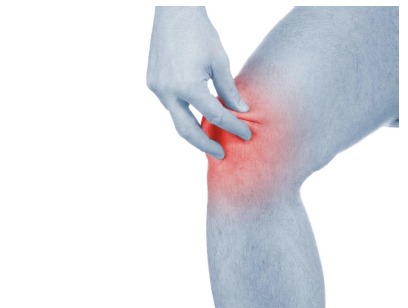
One of the primary indicators is a deep ache that keeps returning. This pain typically flares up after weight-bearing activities like walking, running, climbing stairs, or standing for long periods. While the discomfort may come and go initially, it gradually becomes more frequent and intense over time.
2. Morning Stiffness
If your knees feel incredibly stiff or rigid immediately after waking up or following prolonged periods of sitting, it could point toward early-stage joint degeneration. This stiffness typically eases within 30 minutes as you move around, but tends to return during periods of inactivity.
3. Swelling Around the Knee
Mild, recurrent swelling or puffiness around the joint line is a major red flag. Fluid accumulation (inflammation) inside the joint capsule can cause the knee to appear visibly enlarged, feel tight, or feel warm to the touch after extended physical activity.
4. Cracking or Grinding Sounds (Crepitus)
Do you notice a clicking, crunching, or grinding sensation when bending, straightening, or squatting? Known medically as crepitus, this occurs when the cartilage loses its smooth texture, causing rough joint surfaces to scrape against one another.
5. Difficulty Climbing Stairs
Many patients experiencing the early stages of arthritis note a sudden onset of pain or weakness when walking up or down stairs, rising from a low chair, or kneeling. These specific movements place immense mechanical stress on the kneecap (patella) and joint surfaces, exposing early cartilage damage.
6. Reduced Range of Motion
If you find it increasingly difficult to fully bend your leg back toward your thigh or straighten your knee completely, arthritis may be restricting your natural joint mechanics. Untreated inflammation eventually leads to permanent joint capsule tightening and progressive stiffness.
7. Knee Weakness or Instability
Some individuals describe a sudden sensation that their knee might give way or buckle mid-stride. This functional instability often occurs due to muscle inhibition or muscle imbalances caused by chronic pain and joint inflammation.
Who is Most at Risk?
While anyone can develop joint degeneration, certain factors notably accelerate the process:
- Age above 40 years.
- A history of previous trauma, such as an old ACL or meniscus injury.
- Obesity or excess body weight, which multiplies the mechanical load on the joint.
- Genetic predisposition or a family history of arthritis.
- Chronic, repetitive stress on the joint from high-impact sports or heavy labor.
- Pre-existing muscle weakness surrounding the thigh and core.
Did You Know? Knee arthritis is not exclusive to the elderly. Younger individuals can experience accelerated post-traumatic arthritis if previous ligament or cartilage injuries were left untreated or improperly rehabilitated by a specialist in sports orthopedic surgery in Bangalore.
Can Early Knee Arthritis Be Treated?
Absolutely. Receiving an accurate diagnosis in the early stages allows for highly effective, non-surgical interventions that can delay or completely halt progressive joint wear. Depending on your evaluation at a leading knee pain hospital in Bangalore, a customized management plan may include:
- Weight Management: Reducing body weight significantly unloads stress from the knee joint surfaces.
- Targeted Physiotherapy: Specialized exercise programs designed to strengthen the quadriceps and hamstrings, improving joint alignment and stability.
- Advanced Joint Injections: Using viscosupplementation (hyaluronic acid) or ortho-biologic injections to lubricate the joint and reduce painful friction.
- Minimally Invasive Procedures: Utilizing arthroscopic techniques to address mechanical issues, such as cleaning up loose cartilage fragments.
- Robotic Knee Replacement in Bangalore: Reserved exclusively for advanced, end-stage arthritis where non-surgical methods no longer offer relief, restoring perfect alignment and full mobility using state-of-the-art robotic technology.

When to See an Orthopaedic Specialist in Bangalore
You should schedule an expert evaluation with a knee specialist in Bangalore if you experience any of the following persistent issues:
- Localized knee pain lasting longer than a few consecutive weeks.
- Joint swelling or puffiness that keeps recurring after mild exertion.
- Increasing difficulty walking, climbing stairs, or getting out of a car.
- Persistent morning stiffness that interferes with your daily routine.
- Auditory clicking, grinding, or popping accompanied by pain.
Consult Dr. Pradyumna R for Advanced Knee Arthritis Treatment in Bangalore
If you are experiencing the early warning signs of joint wear, proactive treatment is the most effective tool to protect your long-term mobility.
Consult Dr. Pradyumna R, a premier orthopaedic specialist in Bangalore, at the Bangalore Orthopaedic Clinic. With dual-fellowship international training, Dr. Pradyumna is widely regarded as one of the best knee replacement surgeons in Bangalore, specializing in advanced joint preservation, sports medicine, and state-of-the-art robotic treatments to keep you moving pain-free.
Frequently Asked Questions (FAQs)
Q: What is the difference between normal age-related knee pain and early arthritis?
A: Normal muscle soreness or minor joint strain typically resolves within a few days with rest and basic care. Early knee arthritis pain is persistent, recurs regularly after weight-bearing activities, and is often accompanied by distinct mechanical symptoms like morning stiffness, joint swelling, or a grinding sensation inside the knee.
Q: Can walking help improve early knee arthritis?
A: Yes, low-impact walking is highly beneficial for early knee arthritis. It stimulates the production of synovial fluid, which lubricates the joint, and helps strengthen the supporting leg muscles. However, it is essential to wear supportive footwear, walk on flat surfaces, and avoid overexertion that triggers acute pain.
Q: How does an orthopaedic surgeon diagnose early knee arthritis?
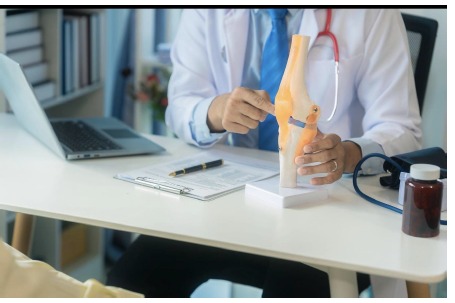
A: A diagnosis begins with a comprehensive clinical exam to check your joint stability, alignment, and range of motion. Weight-bearing X-rays are typically ordered to look for joint space narrowing or bone spurs. In very early stages where changes do not appear on an X-ray, an MRI scan may be utilized to visualize early cartilage thinning.
Q: Is a knee replacement inevitable if I show early signs of arthritis?
A: No, a knee replacement is absolutely not inevitable. When caught early, the progression of knee arthritis can be managed incredibly well using non-surgical strategies like weight loss, specialized physical therapy, unloading braces, and advanced joint injections. Surgical replacements are reserved as a final resort for advanced, bone-on-bone arthritis.
Q: Can a previous sports injury cause knee arthritis later in life?
A: Yes, sports injuries involving ACL tears, meniscus tears, or fractures alter the normal tracking and weight distribution of the knee joint. Even if successfully treated, this altered biomechanics can cause the cartilage to wear down more rapidly over time, leading to post-traumatic knee arthritis.
Q: Where can I get advanced non-surgical treatment for knee arthritis in Bangalore?
A: You can access cutting-edge joint preservation and non-surgical arthritis management at the Bangalore Orthopaedic Clinic. Dr. Pradyumna R provides personalized treatment plans, combining targeted physiotherapy regimens, lifestyle coaching, and advanced medical therapies tailored to preserve your natural knee joint.
Bangalore Orthopaedic Clinic
Centre of Excellence for Arthroscopy, Joint Replacement, Ligament Injuries & Sports Injuries
Clinic Location: BTM Layout 2nd Stage, Bengaluru, Karnataka
Call/WhatsApp: +91-9113025188
Visit: www.drpradyumna.com
Connect on Instagram: @drpradyumnar