Have you ever noticed your shoulder becoming increasingly stiff, making it difficult to comb your hair, fasten your bra, or reach for an item on a high shelf? If the pain gradually worsens and your shoulder movement becomes severely restricted, you may be suffering from Frozen Shoulder, also known as Adhesive Capsulitis.
Frozen shoulder is one of the most common causes of shoulder pain in adults between 40 and 60 years of age across Bengaluru, especially in people with diabetes, thyroid disorders, or after prolonged shoulder immobilization. The good news is that with early diagnosis and the right frozen shoulder treatment in Bangalore, most patients recover without surgery.
What is Frozen Shoulder?
Frozen shoulder is a condition in which the capsule surrounding the shoulder joint becomes inflamed, thickened, and tight. As the capsule contracts, it restricts shoulder movement and causes significant pain and stiffness.
Unlike a muscle injury, frozen shoulder affects the joint capsule itself, leading to progressive loss of mobility.
Symptoms of Frozen Shoulder
Common symptoms include:
- Gradual onset of shoulder pain
- Pain that worsens at night
- Difficulty lifting the arm overhead
- Trouble reaching behind the back
- Stiffness that progressively worsens
- Limited range of motion in every direction
- Difficulty with daily activities like dressing or driving
Patients often report that the stiffness becomes more troublesome than the pain over time.
The Three Stages of Frozen Shoulder
Stage 1: Freezing Stage
- Increasing shoulder pain
- Gradually worsening stiffness
- Pain during movement and even at rest
- Usually lasts 2-9 months
Stage 2: Frozen Stage
- Pain may reduce slightly
- Shoulder becomes extremely stiff
- Daily activities become difficult
- Lasts 4-12 months
Stage 3: Thawing Stage
- Shoulder gradually regains movement
- Pain continues to improve
- Recovery may take 6-24 months
Who Is at Risk?
You are more likely to develop frozen shoulder if you:
- Are between 40-60 years old
- Have diabetes
- Have thyroid disorders
- Recently had shoulder surgery
- Sustained a shoulder fracture
- Wore a sling for a prolonged period
- Have Parkinson's disease or have suffered a stroke
How is Frozen Shoulder Diagnosed?
An experienced frozen shoulder specialist in Bangalore will diagnose the condition through:
- Detailed clinical examination
- Assessment of active and passive shoulder movement
- X-rays to rule out arthritis
- MRI or ultrasound when rotator cuff tears or other shoulder problems are suspected
Accurate diagnosis is important because several shoulder conditions can mimic frozen shoulder.
Frozen Shoulder Treatment in Bangalore
Treatment depends on the stage of the disease and severity of symptoms. Whether you are looking for care in South Bangalore or elsewhere in the city, the approach typically involves:
Non-Surgical Treatment
Most patients visiting our orthopaedic clinic in BTM Layout recover successfully without surgery using:
- Activity modification
- Anti-inflammatory medications
- Supervised physiotherapy
- Home stretching exercises
- Corticosteroid injections
- Hydrodilatation (capsular distension) in selected patients
A structured rehabilitation program remains the cornerstone of successful treatment.
Surgical Treatment
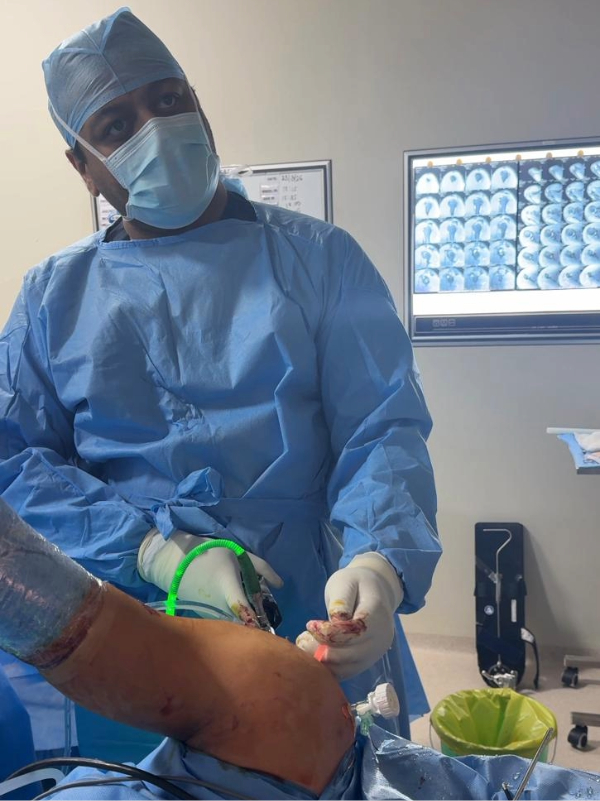
If symptoms persist despite several months of appropriate conservative treatment, surgery may be recommended. Modern arthroscopic shoulder surgery in Bangalore allows surgeons to release the tight shoulder capsule through tiny keyhole incisions, improving movement and reducing pain. Early rehabilitation after surgery is essential for the best outcomes.
Can Frozen Shoulder Be Prevented?
While not every case can be prevented, you can reduce your risk by:
- Beginning shoulder exercises early after injuries or surgery (under medical guidance)
- Managing diabetes effectively
- Avoiding prolonged shoulder immobilization
- Seeking early evaluation for persistent shoulder pain
Early treatment often shortens recovery and prevents severe stiffness.
Frequently Asked Questions
1. Who is the best doctor for frozen shoulder treatment in Bangalore?
Consult a fellowship-trained shoulder and arthroscopy specialist experienced in both conservative management and minimally invasive shoulder surgery. Dr. Pradyumna R. is widely recognized as one of the best orthopaedic doctors in Bangalore for complex shoulder conditions.
2. Where can I get frozen shoulder treatment in Bangalore without surgery?
Most patients improve with medications, physiotherapy, guided injections, and rehabilitation under an experienced orthopaedic specialist in Bangalore. Surgery is reserved for patients who fail conservative treatment. (Dr. Pradyumna R.)
3. How much does frozen shoulder treatment cost in Bangalore?
The cost varies depending on investigations, physiotherapy sessions, injections, and whether surgery is required. An accurate estimate is provided after a clinical evaluation at our BTM Layout clinic.
4. Is frozen shoulder permanent if left untreated?
Most cases eventually improve, but untreated frozen shoulder can lead to prolonged pain, severe stiffness, and delayed recovery lasting years.
5. What is the fastest way to recover from frozen shoulder?
Early diagnosis, guided physiotherapy, appropriate pain management, and following a structured exercise program offer the quickest recovery.
6. Can physiotherapy completely cure frozen shoulder?
Yes. Many patients recover fully with dedicated physiotherapy, particularly when treatment starts early.
7. When is surgery needed for frozen shoulder?
Surgery is considered when significant pain and stiffness continue despite several months of appropriate non-operative treatment.
8. How long does frozen shoulder recovery take?
Recovery typically takes between 12 and 24 months, although early intervention may shorten this duration.
9. Which hospital in Bangalore offers advanced frozen shoulder treatment?
Advanced shoulder care, including arthroscopy and rehabilitation, is available at leading orthopaedic centres in South Bangalore, with fellowship-trained shoulder surgeons. Patients frequently visit the Bangalore Orthopaedic Clinic for specialized care. ( Dr. Pradyumna R. )
10. What is the difference between frozen shoulder and a rotator cuff tear?
Frozen shoulder primarily causes stiffness with restricted movement in all directions, whereas a rotator cuff tear usually causes weakness and pain during specific shoulder movements while passive motion may remain relatively preserved.
Book a Consultation
Persistent shoulder pain should never be ignored. Early diagnosis can prevent months of discomfort and restore normal shoulder function faster. If you are looking for top-rated shoulder pain treatment in Bangalore, we are here to help.
Dr. Pradyumna R
Consultant Orthopaedic Surgeon - Shoulder, Knee & Sports Medicine Specialist
Bangalore Orthopaedic Clinic
GF-450, 6th Main, 7th Cross, Mico Layout, BTM Layout 2nd Stage, Bengaluru - 560076
(Conveniently located for patients visiting from Jayanagar, Koramangala, Banashankari, and Kanakapura Road)
Website: www.drpradyumna.com
Phone: +91 91130 25188
Book your consultation today for a comprehensive shoulder evaluation and a personalized treatment plan designed to help you return to a pain-free, active lifestyle in Namma Bengaluru. ( Dr. Pradyumna R. )