
Knee pain can gradually affect almost every part of your day, from climbing stairs and driving through Bangalore traffic to exercising or simply sitting comfortably at work. When physiotherapy, medication, and lifestyle changes do not provide enough relief, your orthopaedic specialist may recommend knee arthroscopy.
However, deciding to undergo surgery is only one part of the process. Choosing the right knee arthroscopy surgeon in Bangalore is equally important. Not every knee problem requires surgery, and not every surgeon has the same experience with complex ligament or meniscus injuries. Before making your decision, here are seven important factors worth considering.
What Is Knee Arthroscopy?
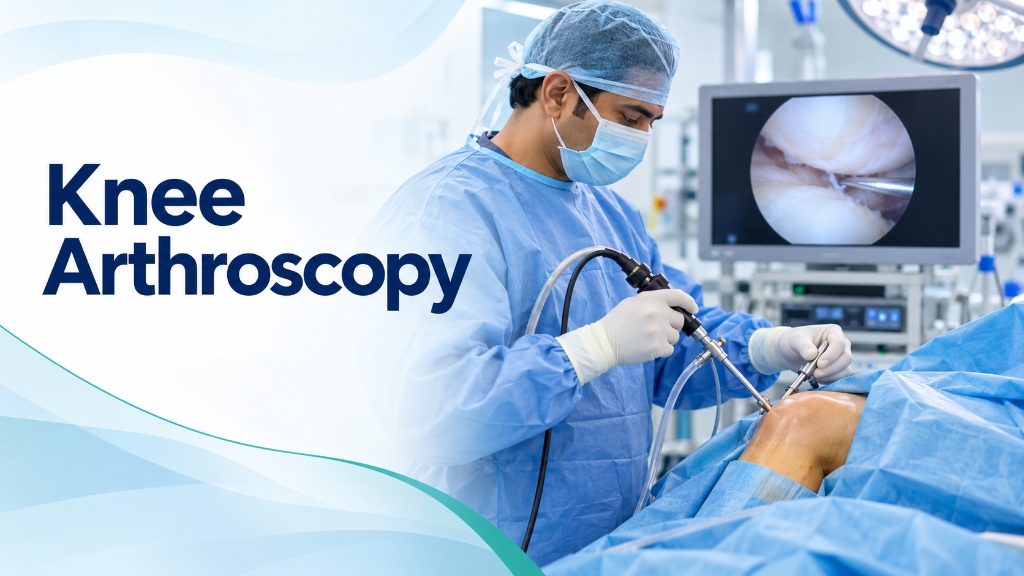
Knee arthroscopy is a minimally invasive surgical procedure that allows an orthopaedic surgeon to examine and treat certain problems inside the knee joint. A small camera, called an arthroscope, is inserted through a tiny incision. Images from the camera guide specialised instruments used to repair or treat damaged structures.
Common conditions treated through arthroscopy include:
-
Meniscus tears
-
Anterior cruciate ligament (ACL) injuries requiring reconstruction
-
Selected cartilage injuries
-
Loose fragments of cartilage or bone
-
Certain causes of persistent knee locking
Although arthroscopy involves smaller incisions than traditional open surgery, it is still a surgical procedure requiring appropriate evaluation and rehabilitation.
7 Things to Check Before Choosing a Knee Arthroscopy Surgeon in Bangalore
1. Check the Surgeon’s Qualifications and Specialised Training
Start by reviewing the surgeon’s medical qualifications. An orthopaedic surgeon typically completes an MBBS followed by postgraduate orthopaedic training, such as an MS or DNB. Additional fellowship training in arthroscopy, sports medicine, or knee surgery may indicate focused experience in treating ligament injuries, meniscus tears, and cartilage problems. You can also verify the surgeon’s medical registration through the appropriate medical council. Qualifications matter, but they should be considered alongside practical experience and the surgeon’s approach to patient care.
2. Look for Experience with Your Specific Knee Condition
Knee arthroscopy is not a single operation. Treating a straightforward meniscus tear is different from reconstructing an ACL or managing a complex injury involving multiple knee structures. When consulting a knee arthroscopy surgeon in Bangalore, ask whether they regularly manage conditions similar to yours. For instance, if you have an ACL injury from football, badminton, or running, experience in sports-related ligament reconstruction may be particularly relevant. A surgeon familiar with your condition should be able to explain the treatment options and realistic expectations.
3. Assess Whether Surgery Is Actually Necessary
A good surgical consultation should not automatically end with a recommendation for an operation. Some meniscus injuries, partial ligament tears, and other knee conditions can improve with structured physiotherapy, activity modification, and appropriate medical treatment. Arthroscopy is also generally not recommended for routine treatment of degenerative knee arthritis because evidence shows little meaningful long-term benefit for most patients. Look for a surgeon who considers your symptoms, physical examination, imaging findings, and daily activity requirements before recommending surgery. The right treatment decision matters just as much as the surgical technique.
4. Evaluate Communication and Patient Involvement
Medical terminology can feel overwhelming, especially when you are already worried about surgery. Your surgeon should explain your diagnosis in language you understand. They should be willing to discuss why a particular procedure is recommended, whether alternatives exist, and what recovery might involve. For example, if you have a meniscus tear, understanding whether the tissue can be repaired or needs partial removal is important because the two approaches have different rehabilitation requirements. You should leave the consultation understanding your choices rather than feeling pressured to make an immediate decision.
5. Check the Hospital and Surgical Facilities
The hospital where the procedure takes place also deserves attention. Ask about operating-theatre standards, anaesthesia support, infection-control practices, postoperative monitoring, and emergency facilities. Depending on the procedure and your overall health, knee arthroscopy may be performed as a day-care surgery or require a short hospital stay. The availability of appropriate surgical equipment and experienced nursing and rehabilitation teams contributes to coordinated care. A well-equipped facility supports the surgeon, but it does not replace surgical expertise.
6. Understand the Rehabilitation and Follow-Up Plan
Recovery does not end when you leave the operating theatre. Physiotherapy, muscle strengthening, swelling control, and gradual restoration of movement are important parts of rehabilitation. The recovery plan depends on the procedure performed. Someone undergoing a minor arthroscopic procedure may return to routine activities relatively quickly, while a patient recovering from meniscus repair or ACL reconstruction may need several months of structured rehabilitation. Ask who will monitor your recovery, when follow-up appointments occur, and how your progress will be assessed.
7. Compare Treatment Transparency, Costs, and Patient Feedback
Cost is an important consideration, particularly when comparing hospitals across Bangalore. Request a written estimate covering surgeon fees, hospital charges, anaesthesia, implants or fixation devices where applicable, medication, and postoperative care. Patient reviews can offer insight into communication, appointment coordination, and follow-up experiences. However, online ratings alone cannot establish clinical outcomes. Avoid choosing a surgeon solely because a procedure is advertised as cheaper or because unusually strong results are promised. Choose someone who provides clear information and explains what is realistic for your condition.
Frequently Asked Questions About Knee Arthroscopy in Bangalore
1. What is knee arthroscopy and what conditions does it treat?
Knee arthroscopy is a keyhole surgical technique used to examine and treat selected knee conditions through small incisions. It can be used for meniscus surgery, ACL reconstruction, removal of loose bodies, and treatment of certain cartilage problems. It is not suitable for every cause of knee pain, particularly routine age-related degenerative arthritis.
2. How do I find the best knee arthroscopy surgeon in Bangalore?
Start by comparing qualifications, relevant surgical experience, patient communication, hospital facilities, and rehabilitation support. Look for a specialist who performs the particular procedure you may need. Rather than relying entirely on online rankings, arrange a consultation and assess whether the surgeon explains the diagnosis and treatment options clearly.
3. What qualifications should a knee arthroscopy surgeon have?
Look for a registered orthopaedic surgeon with recognised postgraduate training such as an MS or DNB in Orthopaedics. Additional training or fellowships in knee arthroscopy, sports medicine, or ligament reconstruction can be valuable. It is also reasonable to ask about continuing professional education and experience with newer surgical techniques.
4. How many knee arthroscopies should a surgeon have performed?
There is no universally accepted minimum number of procedures that guarantees a better outcome. Rather than concentrating on a single number, ask how frequently the surgeon performs your proposed operation and how they manage complications. Experience with your particular type of injury is more informative than a large overall surgical count.
5. What questions should I ask a surgeon before knee arthroscopy?
Useful questions include:
- Is surgery necessary, or can physiotherapy help?
- What exactly will be repaired or removed?
- What are the possible complications?
- How long will I need crutches or a brace?
- When can I return to work, driving, or sports?
- What will the full treatment and rehabilitation cost?
Clear answers help you make an informed decision.
6. How much does knee arthroscopy cost in Bangalore?
Published private-provider estimates vary considerably. Some Bangalore estimates are around ₹1.2–₹1.3 lakh, while other advertised packages approach ₹1.65–₹1.95 lakh. These are indicative figures, not fixed hospital tariffs. The final cost depends on the diagnosis, procedure complexity, hospital, surgical equipment, fixation devices, and rehabilitation requirements. Always request a personalised written estimate.
7. Is knee arthroscopy covered by health insurance in India?
Many Indian health insurance policies may cover medically necessary knee arthroscopy, including eligible day-care procedures. Coverage depends on policy terms, waiting periods, exclusions, available coverage limits, and the reason for surgery. Contact your insurer and hospital insurance desk to confirm cashless eligibility, pre-authorisation requirements, and possible out-of-pocket expenses.
8. How long is recovery after knee arthroscopy?
Recovery depends on the procedure and the patient’s condition. After certain minor procedures, routine activities may resume within days or weeks, while fuller recovery may take several weeks. Meniscus repairs often require months of healing and rehabilitation. Return to demanding sports after ACL reconstruction can take considerably longer. Your surgeon and physiotherapist should provide an individualised timeline.
9. Is knee arthroscopy safe, and what are the risks?
Knee arthroscopy is generally considered a safe procedure when appropriately indicated and performed. However, possible risks include infection, blood clots, swelling, stiffness, bleeding, nerve or blood-vessel injury, persistent symptoms, and anaesthesia-related complications. Some patients may also require additional treatment later. Discuss your personal risk factors and expected benefits before surgery.
10. When should I get a second opinion before knee surgery?
Consider a second opinion when the diagnosis is unclear, surgery is recommended without discussing alternatives, or your symptoms do not seem to match the imaging findings. A second opinion can also be helpful for complex ligament injuries, repeat surgery, or arthritis-related knee pain. For a truly locked knee or another potentially urgent problem, seek prompt assessment rather than delaying necessary care.
Conclusion
Finding the right knee arthroscopy surgeon in Bangalore involves more than comparing qualifications or reading online reviews. The surgeon’s experience with your condition, willingness to discuss non-surgical alternatives, access to appropriate facilities, and commitment to rehabilitation all deserve consideration. Most importantly, the decision should be based on your diagnosis, symptoms, goals, and informed preferences. Taking the time to ask questions can help you approach treatment with greater clarity and confidence.