Shoulder replacement surgery has transformed the lives of thousands of individuals suffering from severe arthritis, advanced rotator cuff damage, complex fractures, or chronic shoulder pain. One of the most common anxieties patients experience before scheduling their procedure is: "Will I ever be able to live normally again?"
The excellent news is that the vast majority of patients return to a comfortable, active, and completely independent lifestyle following a shoulder arthroplasty. In fact, many individuals are able to resume favorite hobbies they had abandoned years ago due to debilitating pain.
However, just like any joint replacement procedure, achieving long-term success requires a clear understanding of the recovery process, specific post-operative precautions, and minor lifestyle adjustments to protect your new joint.
What Is Shoulder Replacement Surgery?
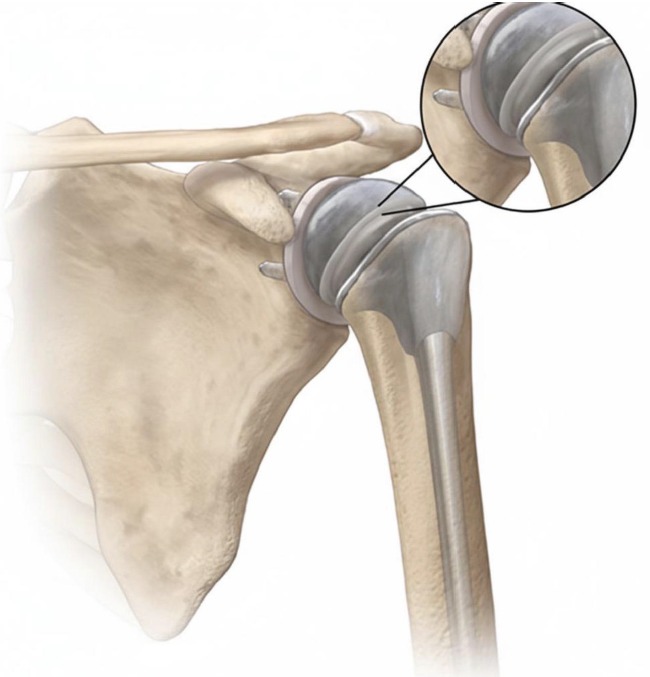
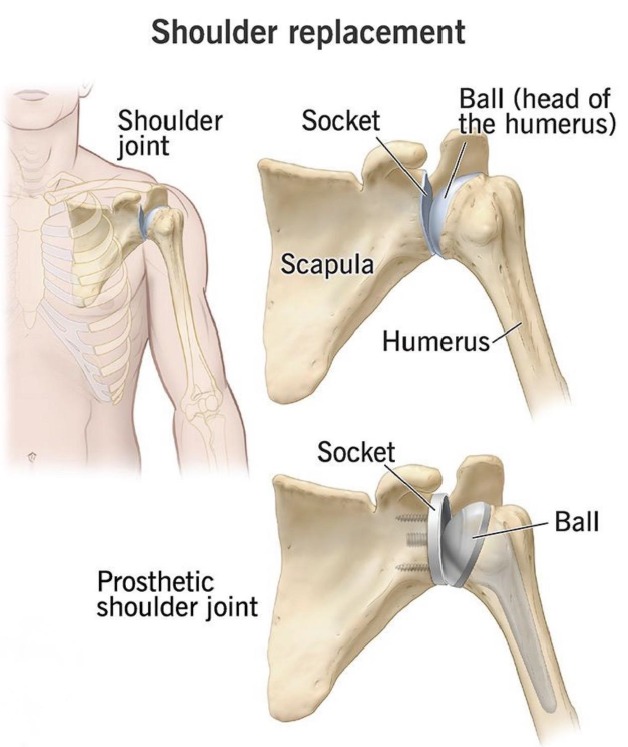
Shoulder replacement is a highly successful surgical procedure in which the worn-out, damaged components of the ball-and-socket shoulder joint are precisely replaced with artificial implants (prostheses). It is widely recommended by an orthopaedic surgeon in Bangalore for conditions such as:
- Advanced shoulder osteoarthritis or rheumatoid arthritis.
- Severe, irreparable rotator cuff tear arthropathy.
- Complex proximal humerus fractures that cannot be stitched or pinned.
- Chronic, unmanageable shoulder pain and severe joint stiffness.
- Failed previous shoulder surgeries.
The primary objective of this advanced procedure is to eradicate chronic pain, restore functional range of motion, and significantly upgrade your daily quality of life.
What Activities Can You Usually Return To?
Once your initial healing phase is complete, most patients can comfortably and safely return to a wide array of everyday activities and low-impact sports, including:
- Walking, brisk walking, and light jogging.
- Driving a car once full control and reflex speeds return.
- Cooking, gardening, and light household chores.
- Returning to office or desk-based work.
- Light gym exercises and resistance band training.
- Swimming with smooth, controlled strokes.
- Playing golf or bowls.
- Practicing yoga or Pilates with specific extension modifications.
- Traveling and carrying light luggage.
- Dressing, grooming, and bathing completely independently.
While the total recovery process is gradual, a massive percentage of patients seeking shoulder pain treatment in Bangalore report a dramatic reduction in their baseline pain levels within just a few weeks of surgery.
Activities That Require Caution After Shoulder Replacement
The ultimate goal of joint replacement is to help you reclaim your life, not restrict it. However, to prevent premature wear or mechanical failure of the artificial implant, certain high-stress activities must be approached with caution or avoided altogether:
1. Heavy Weight Lifting
Subjecting the artificial joint to repetitive, heavy overhead lifting can accelerate the wear of the internal polyethylene (plastic) liners. Heavy gym training, particularly heavy overhead shoulder presses, smash lifting, or maximum-weight bench presses, is generally discouraged over the long term. Light-to-moderate strength training under medical supervision, however, is highly beneficial.
2. High-Impact Contact Sports
Sports that expose you to the risk of violent collisions, hard falls, or sudden joint trauma can cause implant loosening, periprosthetic fractures, or joint dislocation. Avoid or limit:
- Rugby, football, and kabaddi.
- Wrestling and competitive martial arts.
- High-intensity competitive weightlifting.
3. Sudden, Jerky Movements
Forceful pulling, sudden jerking motions such as starting a pull-start lawnmower, or highly repetitive overhead straining can overload the surrounding muscles and the implant interface, particularly during the first six months of recovery.
4. Skipping Your Rehabilitation
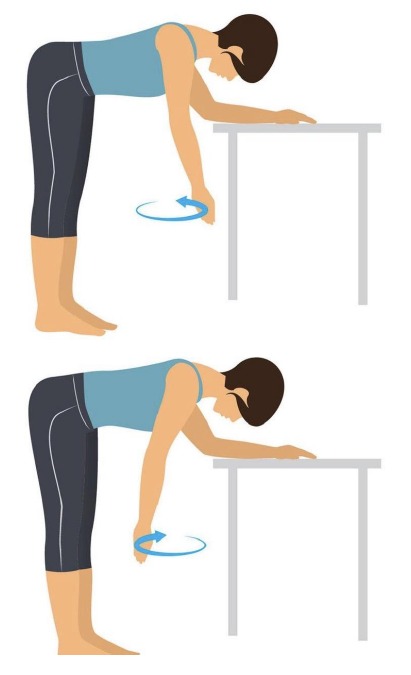
One of the most critical errors a patient can make post-surgery is ignoring their physical therapy routine. Dedicated physiotherapy in Bangalore is absolutely mandatory for:
- Safely restoring your shoulder's natural range of motion.
- Strengthening the surrounding deltoid and rotator cuff muscles.
- Preventing the formation of restrictive scar tissue and stiffness.
- Maximizing the long-term functional outcome of the surgery.

How Long Does a Shoulder Replacement Last?
Thanks to modern medical engineering and advanced bearing surfaces, a contemporary shoulder replacement can easily last 15 to 20 years or longer, provided the patient follows standard joint care precautions.
Several unique factors influence the ultimate lifespan of your shoulder implant:
- Your daily physical activity levels and workload.
- The underlying quality and density of your bone.
- The specific type of implant utilized, such as Total Shoulder vs. Reverse Shoulder Arthroplasty.
- The precision of the surgical technique.
- The consistency and quality of your post-operative rehabilitation.
- Your overall systemic health and physical fitness.
Pro-Tips for a Highly Successful Recovery
- Follow Physical Therapy Strictly: Consider rehabilitation just as vital to your success as the surgical procedure itself.
- Avoid Early Overuse: Your muscles, tendons, and bones require time to integrate with the new implant. Rushing back to heavy lifting too early will delay your progress.
- Maintain Good Spinal Posture: Slouching shifts the shoulder blade forward, placing abnormal mechanical stress on the replaced joint.
- Commit to Gentle Movement: Regular, low-impact exercises improve localized blood circulation, joint flexibility, and muscle support.
- Attend All Scheduled Follow-ups: Regular check-ins allow your surgeon at a shoulder surgery hospital in Bangalore to monitor the structural integrity of the implant over the years.
Can You Sleep Comfortably After Surgery?
Yes. Sleep quality improves exponentially once the constant, grinding arthritic pain is eliminated. During the initial 4 to 6 weeks post-surgery, patients usually find the most comfort by:
- Sleeping in a semi-reclined position, such as in a reclining chair or propped up by a bed wedge.
- Placing a small pillow behind the elbow of the operated arm to prevent it from dropping backward.
- Strictly avoiding sleeping directly on the operated shoulder.
As the internal tissues heal completely, you will gradually be able to return to your preferred, natural sleeping positions.
Is Shoulder Replacement Surgery Worth It?
For individuals whose lives have been shrunk by excruciating pain, disrupted sleep, and an inability to perform basic tasks like brushing their hair, shoulder replacement is frequently described as life-changing.
By partnering with a skilled shoulder specialist in Bangalore, adhering to a structured physical therapy regimen, and maintaining realistic expectations, patients routinely regain:
- Deep, uninterrupted sleep free of joint aches.
- Complete personal independence.
- A massive reduction in daily reliance on painkillers.
- Fluid, predictable shoulder movement.
- A renewed lease on an active lifestyle.
Frequently Asked Questions (FAQs)
Q: What is the difference between a standard total shoulder replacement and a reverse shoulder replacement?
A: A standard total shoulder replacement mimics your natural anatomy, replacing the ball with a metal ball and the socket with a plastic cup; it requires an intact, healthy rotator cuff to function. A reverse shoulder replacement switches the anatomy by placing the ball on the socket side and the cup on the arm side. This is utilized when a patient has a completely torn, non-functional rotator cuff, allowing the deltoid muscle to lift the arm instead.
Q: How long will I need to wear a sling after shoulder replacement surgery?
A: Most patients are required to wear a supportive shoulder immobilizer or sling for approximately 4 to 6 weeks following surgery. The sling protects the newly repaired soft tissues and bone interfaces as they heal. Patients are typically allowed to remove it for guided physiotherapy sessions and basic tasks such as eating or writing close to the body.
Q: When can I safely return to driving after a shoulder replacement in Bangalore?
A: Most individuals can safely return to driving around 6 to 8 weeks post-surgery. Before driving, patients must be entirely out of their shoulder sling, off all prescription narcotic pain medications, and possess sufficient muscle strength and reflex speed to perform emergency steering maneuvers safely.
Q: Can shoulder replacement surgery fix a completely frozen shoulder?
A: True frozen shoulder, also known as adhesive capsulitis, is an inflammatory condition that is typically treated with non-surgical therapies or arthroscopic release. However, if severe shoulder stiffness is caused by advanced bone-on-bone arthritis, a shoulder replacement can be highly effective at clearing bone spurs and restoring joint motion.
Q: Will my new artificial shoulder set off airport metal detectors?
A: Yes, modern shoulder implants are crafted from durable metal alloys such as titanium, cobalt-chromium, or stainless steel, which may trigger highly sensitive airport security scanners. It is advisable to inform security officers about your joint replacement before passing through screening.
Q: Where can I get an expert second opinion for shoulder replacement surgery in Bangalore?
A: You can get a comprehensive evaluation and expert second opinion at Bangalore Orthopaedic Clinic. Dr. Pradyumna R utilizes advanced diagnostic imaging and clinical stress testing to determine whether patients are ideal candidates for joint preservation, arthroscopic repair, or advanced shoulder replacement surgery.
Consult the Best Shoulder Replacement Surgeon in Bangalore
If you are struggling with chronic shoulder pain, advanced joint stiffness, severe arthritis, or find yourself completely unable to lift your arm, a comprehensive evaluation can help guide you toward the right treatment.
Schedule a consultation with Dr. Pradyumna R, a premier orthopaedic specialist in Bangalore and an internationally trained shoulder & arthroscopy specialist in Bangalore. Operating at the Bangalore Orthopaedic Clinic, Dr Pradyumna blends advanced, minimally invasive surgical techniques with personalized recovery blueprints to help you reclaim pain-free movement.
Bangalore Orthopaedic Clinic
Centre of Excellence for Arthroscopy, Joint Replacement, Ligament Injuries & Sports Injuries
Clinic Location: BTM Layout 2nd Stage, Bengaluru, Karnataka, India
Call/WhatsApp: +91-9113025188
Official Website: www.drpradyumna.com