
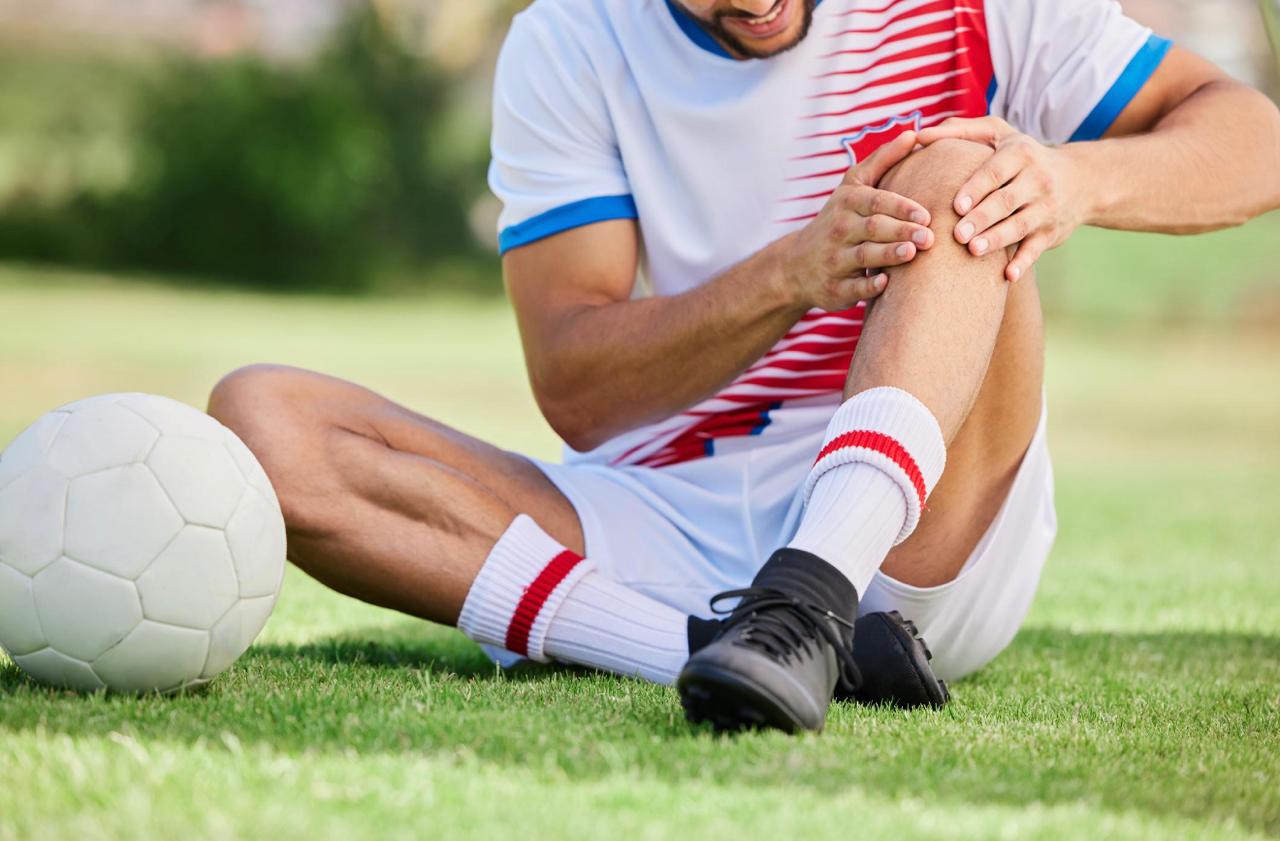
Knee injuries are extremely common among athletes, fitness enthusiasts, and even individuals performing simple day-to-day activities. Two of the most frequently diagnosed knee conditions are an ACL tear and a meniscal tear. While both injuries cause localized pain, swelling, and difficulty walking, they affect entirely different structures inside the joint and produce distinct sensations.
Understanding the difference between these two conditions can help you seek the right treatment early and prevent long-term joint damage.
Understanding Knee Anatomy
The knee joint relies on a delicate balance of structures to function properly:
- Ligaments: Strong, fibrous bands of tissue that connect bones and stabilize the joint.
- Cartilage (Meniscus): C-shaped shock absorbers resting between the thigh bone (femur) and shin bone (tibia).
Specifically:
- The ACL (Anterior Cruciate Ligament) controls and stabilizes the forward and rotational movement of the knee.
- The Meniscus acts as a cushion that absorbs impact, distributes weight, and protects the overall joint surfaces.
When either structure is compromised, knee function is impacted in distinct ways.
What is an ACL Tear?
The ACL is one of the primary stabilizing ligaments keeping your knee intact. It commonly tears or ruptures during high-impact or sudden movements, such as:
- Sudden twisting or cutting maneuvers.
- Pivoting sharply during sports like football, basketball, or cricket.
- Landing awkwardly from a jump.
- Rapidly changing direction or decelerating.
- Road traffic accidents and impact trauma.
Common Symptoms of an ACL Tear
- A sudden, audible "pop" sound at the exact moment of injury.
- Immediate, rapid swelling that develops within a few hours.
- A distinct feeling that the knee has "given way" or buckled.
- Severe instability while walking, turning, or changing direction.
- An inability to continue playing sports or walking immediately post-injury.
Patient Description: Many individuals describe an ACL tear by saying, "I felt my knee completely slip out of place."
What is a Meniscal Tear?
Because the meniscus acts like a shock-absorbing cushion inside the knee, it is vulnerable to tearing under high pressure or grinding forces. It can tear due to:
- Sudden twisting injuries while the foot is firmly planted.
- Deep squatting or heavy lifting.
- Acute sports injuries.
- Age-related wear and tear, also called degenerative meniscal tears.
Common Symptoms of a Meniscal Tear
- Sharp or dull pain localized directly along the knee joint line.
- Gradual swelling that develops slowly over 24 to 48 hours.
- A mechanical clicking, catching, or locking sensation inside the joint.
- Difficulty fully bending or straightening the leg.
- Increased pain while squatting, kneeling, or climbing stairs.
Unlike an ACL injury, the feeling of complete structural instability is usually much milder or absent in a standalone meniscus tear.
Key Differences: ACL Tear vs. Meniscal Tear
| Feature | ACL Tear | Meniscal Tear |
|---|---|---|
| Structure Injured | Stabilizing Ligament | Shock-absorbing Cartilage |
| Common Cause | Sudden pivot, twist, or landing | Twisting, deep squatting, or wear |
| Swelling Speed | Rapid (within a few hours) | Gradual (over 1 to 2 days) |
| Joint Instability | Significant (giving way) | Mild or completely absent |
| Locking Sensation | Rare | Common (mechanical catch) |
| "Pop" Sound | Highly common at injury | Less common |
| Sports Participation | Interrupted immediately | Progressive decline in ability |
| Knee Giving Way | Very common | Occurs occasionally |
Can Both Injuries Occur Together?
Yes. In fact, many high-energy sports injuries involve both ACL and meniscus tears simultaneously.
When an ACL is torn, the knee becomes structurally unstable (ACL-deficient). This chronic instability causes the femur to slip abnormally over the tibia, heavily increasing the risk of a secondary, complex meniscal injury over time. This makes a timely, expert evaluation crucial.
When to See an Orthopaedic Surgeon in Bangalore
You should seek immediate medical attention from a specialist if you experience any of the following warning signs:
- Persistent or worsening knee swelling.
- A frequent sensation of knee instability or buckling.
- Mechanical locking or an inability to fully bend the knee.
- Difficulty bearing weight or walking normally.
- Repeated episodes of the knee giving way.
- Localized knee pain lasting more than a few days after an injury.
Ignoring these symptoms or delaying an assessment can lead to secondary cartilage damage, early-onset knee arthritis, chronic joint instability, and a permanent reduction in athletic performance.
How Are These Knee Injuries Diagnosed?
A precise diagnosis requires specialized medical insights, typically involving:
1. Expert Clinical Examination
An experienced orthopaedic surgeon in Bangalore will perform specific physical stress tests, such as the Lachman test or McMurray test, to safely assess the integrity of your ligaments and cartilage.
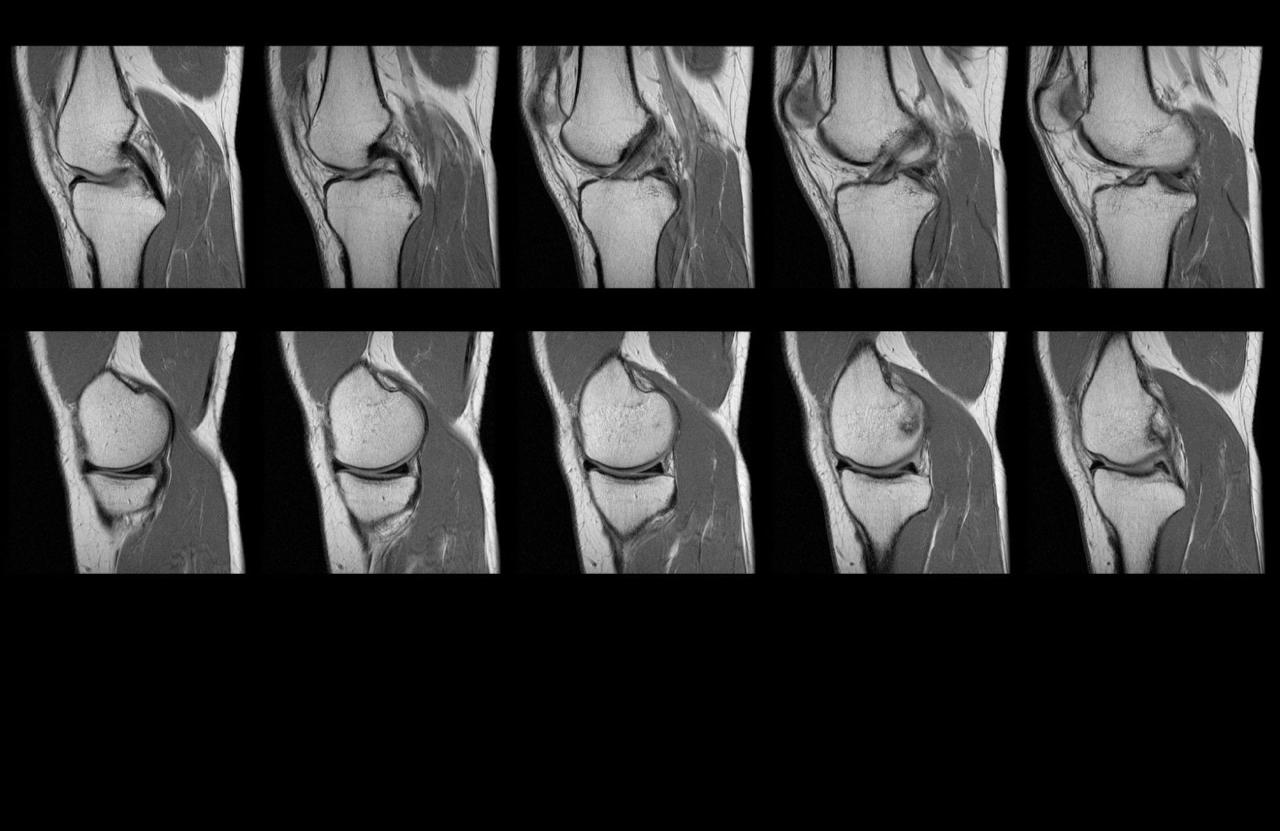
2. Dedicated MRI Scan
An MRI scan is considered the gold-standard diagnostic tool. It allows the specialist to visually confirm:
- The exact grade of the ACL tear.
- The pattern and location of the meniscal tear.
- Any hidden bone bruises or surrounding articular cartilage injuries.
3. Knee X-rays
While X-rays cannot show soft tissue damage like ligaments or cartilage, they are used to rule out associated bone fractures or alignment issues.
Advanced Treatment Options
Your ideal recovery plan depends on the severity of the injury, your age, daily activity levels, sports goals, and the overall stability of the joint.
ACL Tear Treatment
- Targeted, pre-operative and post-operative physiotherapy.
- Functional knee bracing for daily stability.
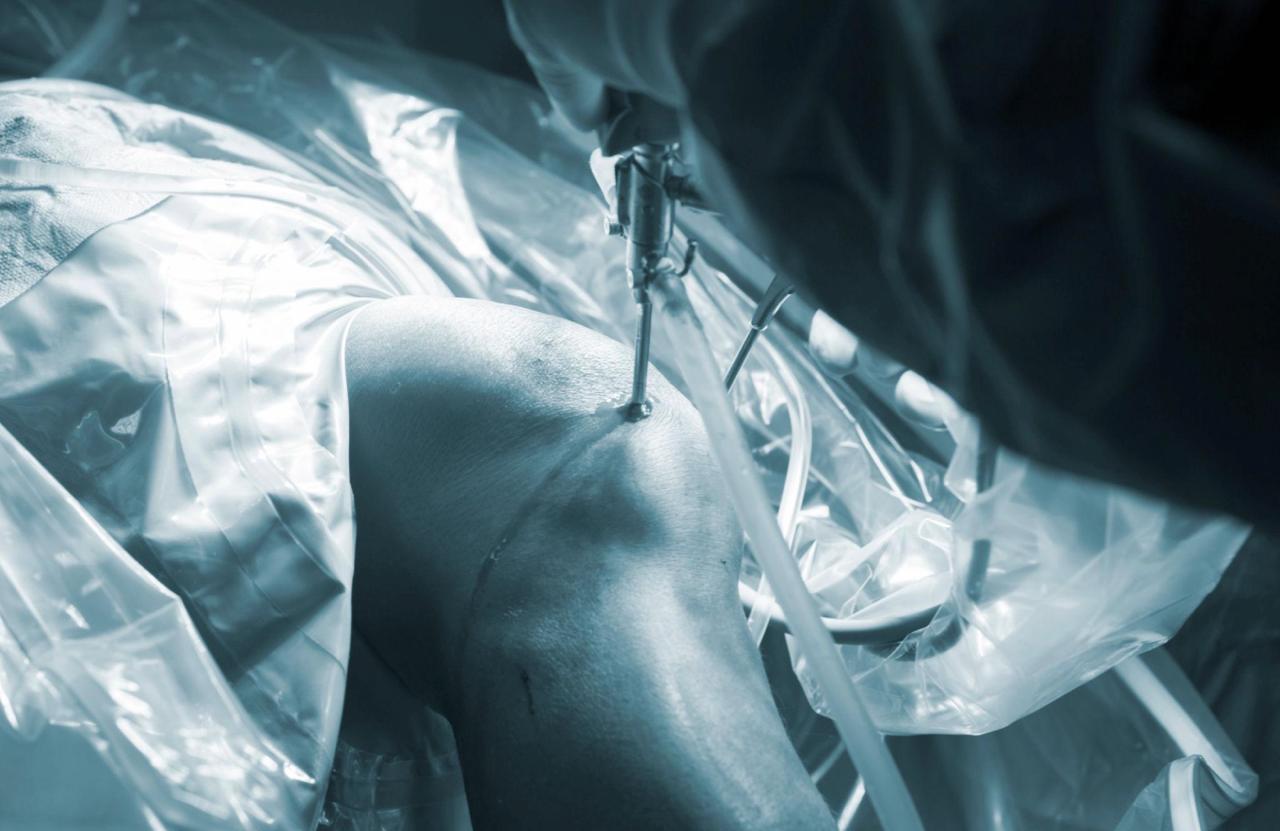
- Arthroscopic ACL reconstruction surgery using advanced graft techniques, highly recommended for active individuals and athletes to restore full joint stability.
Meniscal Tear Treatment
- Conservative care, including rest, ice, and structured rehabilitation, for small, stable tears.
- Arthroscopic meniscus repair to stitch the cartilage back together and preserve the natural joint.
- Partial meniscectomy to precisely trim away damaged tissue in selected, non-repairable cases.
Modern, minimally invasive arthroscopic techniques allow for much smaller incisions, less post-operative pain, and a faster return to daily activities.
Recovery and Rehabilitation Timeline
Both injuries require a dedicated commitment to a structured physical therapy routine to restore strength, range of motion, and prevent reinjury.
ACL Recovery Timeline: Returning to competitive sports typically takes 6 to 9 months, focusing heavily on progressive lower-body strength, agility, and neuromuscular stability.
Meniscus Recovery Timeline: Recovery varies based on the procedure. A partial meniscectomy allows for recovery within weeks, while a structural meniscus repair requires a more cautious approach over a few months to protect the healing tissue.
Frequently Asked Questions (FAQs)
Q: How can I tell if my knee injury is an ACL tear or a meniscus tear?
A: An ACL tear usually causes an audible "pop" sound at the moment of injury, immediate severe swelling, and a feeling that your knee is completely giving way. A meniscus tear causes a more gradual swelling, pain directly along the knee joint line, and a mechanical catching or locking sensation when you try to bend or straighten your leg.
Q: Can you walk with a torn ACL or meniscus?
A: Yes, many individuals can still walk after these injuries, especially once the initial acute pain and swelling subside. However, walking with a torn ACL can cause your knee to buckle or feel highly unstable, while walking with a torn meniscus often triggers sharp joint-line pain and a clicking sensation.
Q: Is surgery always required for an ACL or meniscus tear?
A: Not always. Small, stable meniscus tears in the outer "red zone" can often heal with conservative care and physical therapy. Similarly, an ACL tear may not require surgery in sedentary individuals who do not participate in pivoting sports. However, for active individuals or when the knee locks and gives way, arthroscopic surgery is highly recommended.
Q: What happens if I leave a combined ACL and meniscus tear untreated?
A: Leaving a combined injury untreated leads to chronic knee instability. Every time your knee shifts or gives way abnormally, it inflicts further friction and stress on the joint. Over time, this drastically accelerates the degradation of your joint cartilage, leading to early-onset knee osteoarthritis and irreversible damage.
Q: How long is the recovery time after arthroscopic knee surgery in Bangalore?
A: Recovery depends on the exact procedure performed. If you undergo a partial meniscectomy, you can often return to light activities within a few weeks. If your ligament or cartilage is repaired (ACL reconstruction or meniscus repair), a structured rehabilitation program is essential, with a full return to high-impact sports taking anywhere from 6 to 9 months.
Q: Who is the best specialist for ACL and meniscus tears in Bangalore?
A: Knee ligament and cartilage injuries are best treated by a fellowship-trained orthopaedic arthroscopy and sports medicine specialist. Dr. Pradyumna R at the Bangalore Orthopaedic Clinic provides advanced, minimally invasive arthroscopic treatments tailored to restore full joint stability and get you back to your active lifestyle safely.
Step Into Pain-Free Movement Again
While ACL tears and meniscal tears share a few overlapping symptoms, they are fundamentally different injuries that require distinct treatment paths. Early diagnosis is your best tool for safeguarding long-term knee health.
If you are experiencing knee pain, swelling, mechanical catching, or instability, do not leave your mobility to chance.
Consult Dr. Pradyumna R, a premier sports injury specialist in Bangalore, for advanced care. He specializes in minimally invasive, cutting-edge arthroscopic techniques designed to help you recover safely and quickly.
Bangalore Orthopaedic Clinic
Centre of Excellence for Arthroscopy, Joint Replacement, Ligament Injuries & Sports Injuries
Clinic Location: BTM Layout 2nd Stage, Bengaluru, Karnataka
Call: +91-9113025188
Visit: www.drpradyumna.com
Connect on Instagram: @dr.prady_ortho