
Knee replacement surgery has evolved dramatically over the past decade, with technology playing a key role in improving patient outcomes. One of the most significant advancements is robotic knee replacement, a technique that enhances surgical precision, personalization, and recovery. But what exactly makes precision so critical in this procedure—and how does robotic assistance make a difference?
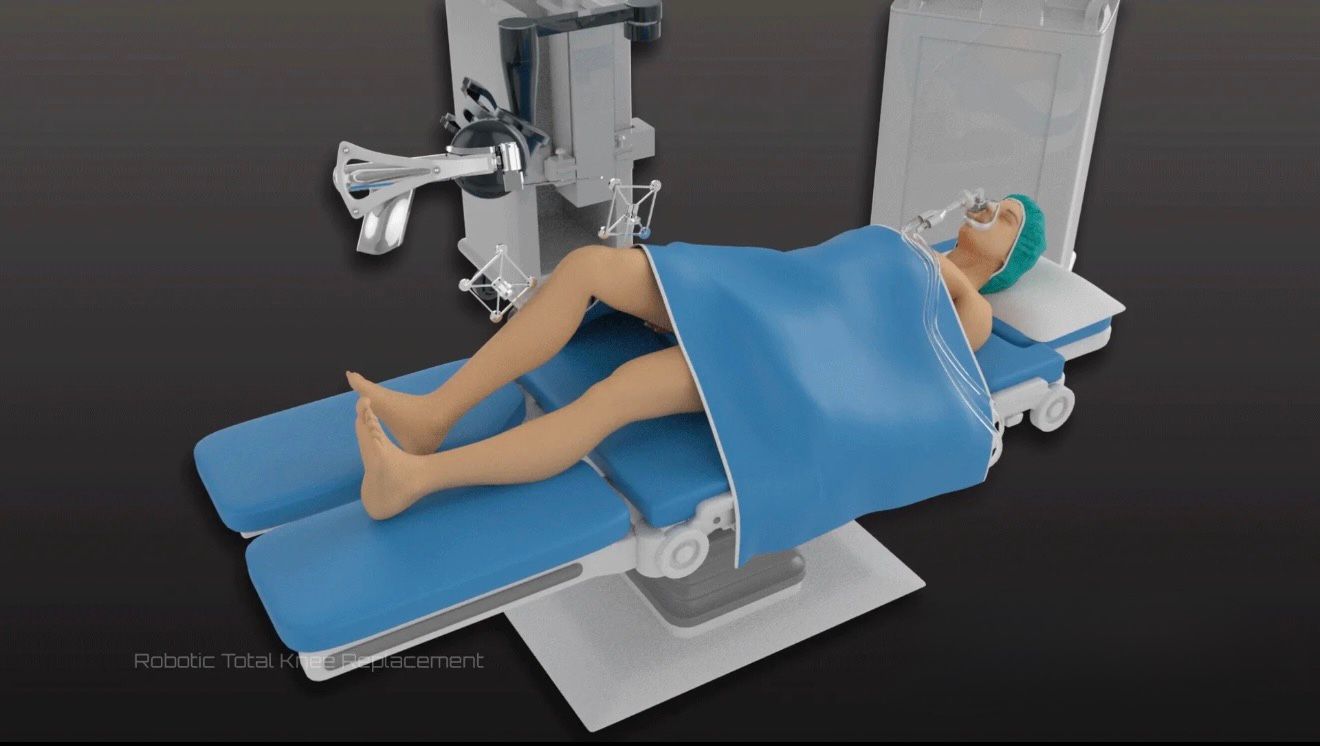
Understanding Robotic Knee Replacement
Robotic knee replacement is an advanced surgical procedure where a robotic system assists the orthopedic surgeon in performing a knee joint replacement with greater accuracy. Contrary to common belief, the robot does not perform the surgery independently. Instead, it acts as a highly sophisticated tool controlled by the surgeon, enabling meticulous planning and execution.
This approach uses preoperative imaging, such as CT scans or 3D mapping, to create a personalized surgical plan tailored to the patient’s unique knee anatomy. During surgery, the robotic system provides real-time feedback, helping the surgeon make precise bone cuts and implant positioning.

Why Precision Matters in Knee Replacement
The success of any knee replacement depends heavily on how accurately the artificial joint is aligned and positioned. Even minor deviations can impact the overall function and longevity of the implant.
Here’s why precision is crucial:
1. Accurate Implant Positioning
In traditional knee replacement, surgeons rely on manual instruments and experience to position the implant. While effective, this method may allow small variations. With robotic assistance, implants are positioned with sub-millimeter accuracy, ensuring optimal alignment.
2. Improved Joint Function
Precise alignment helps restore natural knee movement. Patients are more likely to experience a knee that feels “normal,” with better bending, stability, and range of motion.
3. Enhanced Longevity of the Implant
Improper alignment can lead to uneven wear and early implant failure. Robotic knee replacement ensures even load distribution, increasing the lifespan of the prosthesis.
4. Reduced Risk of Complications
Precision minimizes damage to surrounding tissues such as ligaments and muscles. This reduces the risk of complications like instability, stiffness, or persistent pain after surgery.
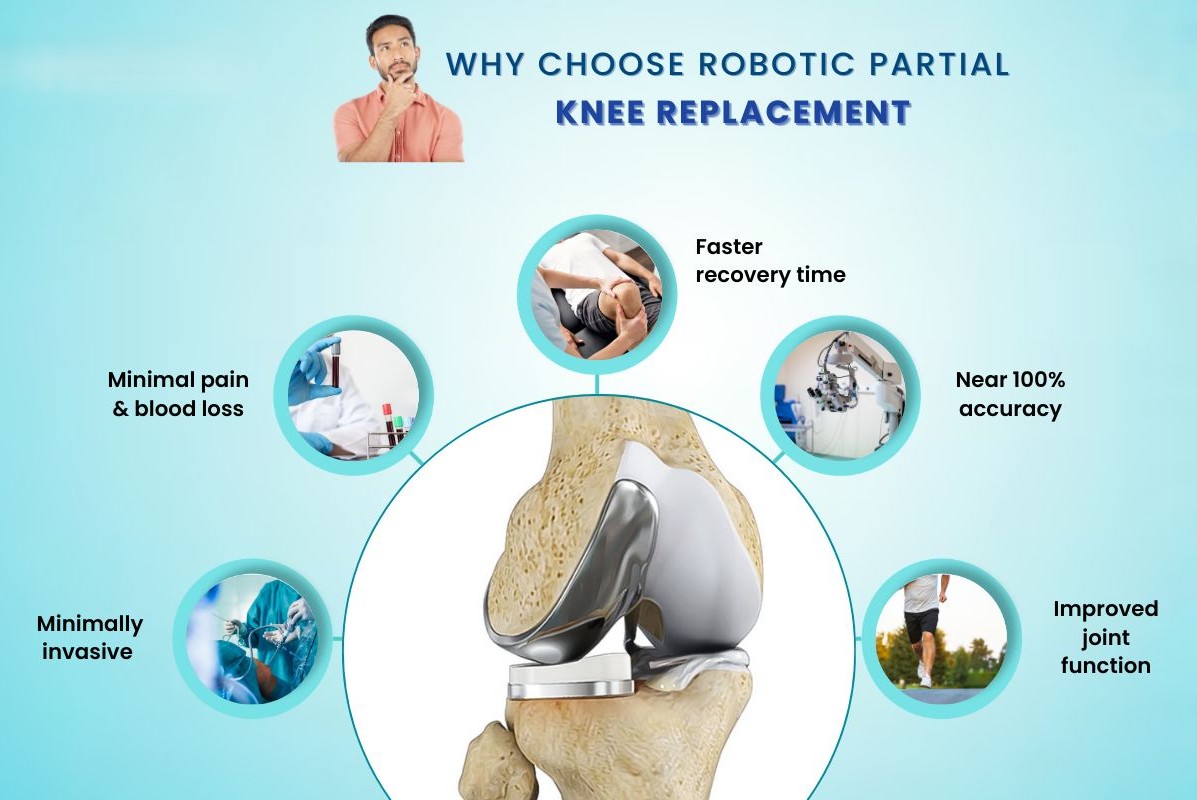
How Robotic Technology Enhances Precision
Robotic systems bring a new level of control and consistency to knee replacement procedures. Here’s how:
Pre-Surgical Planning
Before surgery, a detailed 3D model of the patient’s knee is created. This allows the surgeon to plan implant size, positioning, and alignment in advance. The plan is customized, not one-size-fits-all.
Intraoperative Accuracy
During the procedure, the robotic system guides the surgeon’s instruments. It creates virtual boundaries, ensuring that bone cuts are made exactly as planned and preventing errors.
Real-Time Feedback
The system continuously monitors the position of surgical tools and the knee joint. This real-time data helps the surgeon adjust as needed, ensuring perfect balance and alignment.
Soft Tissue Protection
Robotic assistance allows surgeons to preserve healthy bone and soft tissues. This leads to less trauma, reduced bleeding, and faster healing.
Want to dive deeper? Learn more about how robotic knee replacement technology works step-by-step.
Benefits for Patients
The precision of robotic knee replacement translates into tangible benefits for patients:
- Faster Recovery: Less tissue damage means quicker healing and earlier mobilization.
- Less Postoperative Pain: Minimally invasive techniques reduce discomfort after surgery.
- Shorter Hospital Stay: Many patients can go home sooner compared to traditional surgery.
- Better Functional Outcomes: Improved alignment leads to smoother joint movement and higher satisfaction rates.
- Lower Revision Rates: Accurate implant placement reduces the likelihood of needing another surgery.
Is Robotic Knee Replacement Right for Everyone?
While robotic knee replacement offers significant advantages, it may not be necessary for every patient. Factors such as age, severity of arthritis, bone quality, and overall health play a role in determining the best treatment approach.
Patients with complex deformities, severe arthritis, or those seeking highly precise outcomes often benefit the most from robotic-assisted techniques. However, a thorough evaluation by an experienced orthopedic surgeon is essential before making a decision.
Comparing your options? See how robotic knee replacement compares to traditional knee surgery to help you make an informed decision.
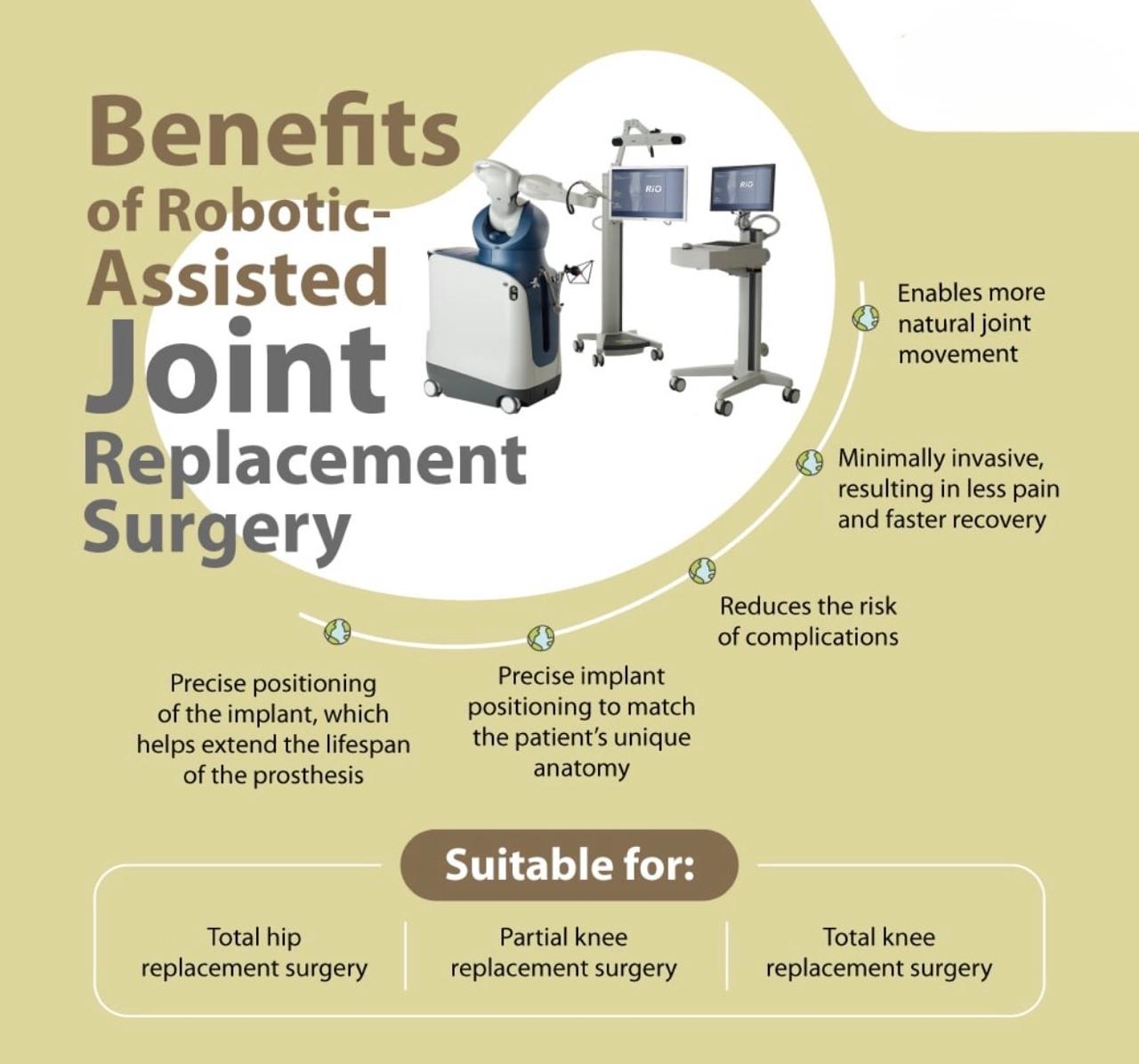
The Human Expertise Behind the Technology
It is important to emphasize that technology enhances—but does not replace—the skill of the surgeon. The success of robotic knee replacement depends on the surgeon’s expertise in planning, interpreting data, and executing the procedure.
An experienced surgeon uses robotic tools to achieve a level of precision that would be difficult to replicate consistently with manual techniques alone.
Conclusion
Precision is the cornerstone of successful knee replacement surgery, and robotic technology has revolutionized how that precision is achieved. By combining advanced imaging, real-time guidance, and surgeon expertise, robotic knee replacement offers improved alignment, better function, and longer-lasting results.
For patients suffering from chronic knee pain or arthritis, this advanced approach provides a promising path to restored mobility and improved quality of life.
Looking for expert care?
If you are experiencing knee pain or considering knee replacement surgery, consult Dr. Pradyumna, a specialist in advanced orthopedic and robotic procedures.
📞 Book a Consultation Today
If you are struggling with knee pain or considering robotic knee replacement, expert guidance can make all the difference.
Consult Dr. Pradyumna
🏥 Bangalore Orthopaedic Clinic
📍 BTM Layout, Bengaluru
📞 Call/WhatsApp: +91 91130 25188
Early diagnosis and the right surgical approach can significantly improve your recovery and long-term outcomes. Book your appointment today and take the first step toward pain-free movement.
Frequently Asked Questions
1. What is robotic knee replacement surgery?
Robotic knee replacement uses computer-assisted planning and robotic guidance to help the surgeon place the knee implant with high precision.
2. Who is a candidate for robotic knee replacement?
Patients with advanced knee arthritis, deformity, severe pain, stiffness, and reduced mobility despite non-surgical care may be candidates.
3. Does the robot perform the surgery independently?
No. The surgeon controls the operation at every step. The robot assists with planning, alignment, and precision guidance.
4. What are the benefits of robotic knee replacement?
Benefits may include personalized planning, accurate implant alignment, better soft-tissue balance, reduced tissue trauma, and smoother early recovery.
5. Is robotic knee replacement painful?
Pain is expected after any knee replacement, but precise technique and modern pain control protocols can help reduce discomfort during recovery.
6. How long does recovery take?
Many patients walk with support within a day or two and resume routine activities in weeks, while full recovery can take several months.
7. How long does a robotic knee implant last?
Implant life depends on alignment, activity, weight, bone quality, and follow-up care. Many modern knee replacements last 15 to 20 years or more.
8. Is physiotherapy needed after robotic knee replacement?
Yes. Physiotherapy is essential to restore knee bending, walking, strength, balance, and confidence after surgery.
9. Is robotic knee replacement suitable for both knees?
Some patients may be candidates for staged or bilateral knee replacement, depending on health, arthritis severity, and surgeon assessment.
10. How do I decide between robotic and traditional knee replacement?
A specialist evaluates X-rays, deformity, bone quality, symptoms, lifestyle, and expectations to recommend the most appropriate technique.