
A sudden twist of the knee, an awkward landing during sports, or a direct blow can sometimes cause the kneecap to slip out of its normal position. This injury is known as a patellar dislocation or kneecap dislocation. For many patients, the kneecap moves toward the outside of the knee. While it may occasionally move back into position on its own, a patellar dislocation should not simply be ignored. The injury can damage the ligaments and cartilage that help stabilize the kneecap, and some patients may develop repeated episodes of instability. If you are looking for dislocated patella treatment in Bangalore, early assessment by an orthopaedic specialist can help determine the extent of the injury and whether treatment requires bracing and physiotherapy or surgical stabilization.
What Is a Patellar Dislocation?
The patella, or kneecap, normally sits within a groove at the end of the thigh bone called the trochlear groove. As the knee bends and straightens, the patella glides within this groove. A patellar dislocation occurs when the kneecap is forced completely out of this normal track, most commonly toward the outer side of the knee. A first-time dislocation may occur because of trauma. However, recurrent dislocations can sometimes indicate an underlying problem with the anatomy or stability of the knee.
Symptoms of a Dislocated Patella
Symptoms usually begin suddenly and may include:
-
Severe Knee Pain: Severe pain around the front or side of the knee
-
Visible Deformity: Visible displacement or deformity of the kneecap
-
Rapid Swelling: Quick fluid accumulation in the joint
-
Restricted Movement: Difficulty bending or straightening the knee
-
Inability to Bear Weight: Inability to walk or put weight on the affected leg
-
Popping Sensation: A popping or shifting sensation at the time of injury
-
Local Tenderness: Tenderness around the kneecap
-
Knee Instability: A feeling that the knee is unstable or may “give way”
Sometimes the patella returns to its normal position before the patient reaches the hospital. Even in this situation, evaluation by a kneecap dislocation doctor in Bangalore may be important because ligament, bone or cartilage injuries can remain.
What Causes the Kneecap to Dislocate?
Patellar dislocations frequently occur during sports or activities involving sudden changes in direction and are among the most frequent sports injuries seen in active individuals. Common mechanisms include twisting the knee while the foot remains planted, landing awkwardly after a jump, or receiving a direct impact to the knee. Certain anatomical factors can also make the kneecap more prone to instability. These may include a shallow trochlear groove, abnormal alignment of the leg, a high-riding patella, ligament laxity or previous patellar injuries. Young and physically active individuals may be particularly susceptible.
How Is a Patellar Dislocation Diagnosed?
Diagnosis begins with an examination of the knee. The orthopaedic surgeon assesses swelling, tenderness, kneecap position, range of motion and overall knee stability. Imaging may include:
-
Digital X-rays: These help identify fractures, bone fragments and the position of the patella
-
MRI Scan: Provides detailed information about cartilage damage and injuries to stabilizing structures such as the medial patellofemoral ligament (MPFL)
In patients with recurrent instability, additional imaging measurements may be required to understand why the kneecap repeatedly moves out of position.
Treatment for a First-Time Patellar Dislocation
Treatment depends on the severity of the injury and whether associated cartilage, bone or ligament damage is present. If the kneecap remains dislocated, a doctor may perform a procedure called reduction, in which the patella is carefully guided back into its normal position. After reduction, treatment may involve a knee brace for a limited period, pain and swelling management, gradual weight-bearing and targeted physiotherapy. Rehabilitation is particularly important. Strengthening the quadriceps and muscles around the hip can improve control of the kneecap and help restore confidence in the knee. Many first-time uncomplicated dislocations can therefore be treated without surgery.
When Is Patella Dislocation Surgery Needed?
Surgery is not necessary for every patient. However, patella dislocation surgery in Bangalore may be considered when there are:
-
Recurrent Instability: Repeated kneecap dislocations
-
Persistent Symptoms: Persistent instability despite rehabilitation
-
MPFL Injury: Significant MPFL injury
-
Loose Bodies: Loose cartilage or bone fragments inside the knee
-
Fractures: Osteochondral knee fractures
-
Anatomical Factors: Significant anatomical abnormalities contributing to instability
-
Impact on Lifestyle: Difficulty returning to normal activities or sports because of recurrent instability
The appropriate procedure depends on the individual cause of the instability.
Patellar Stabilization Surgery
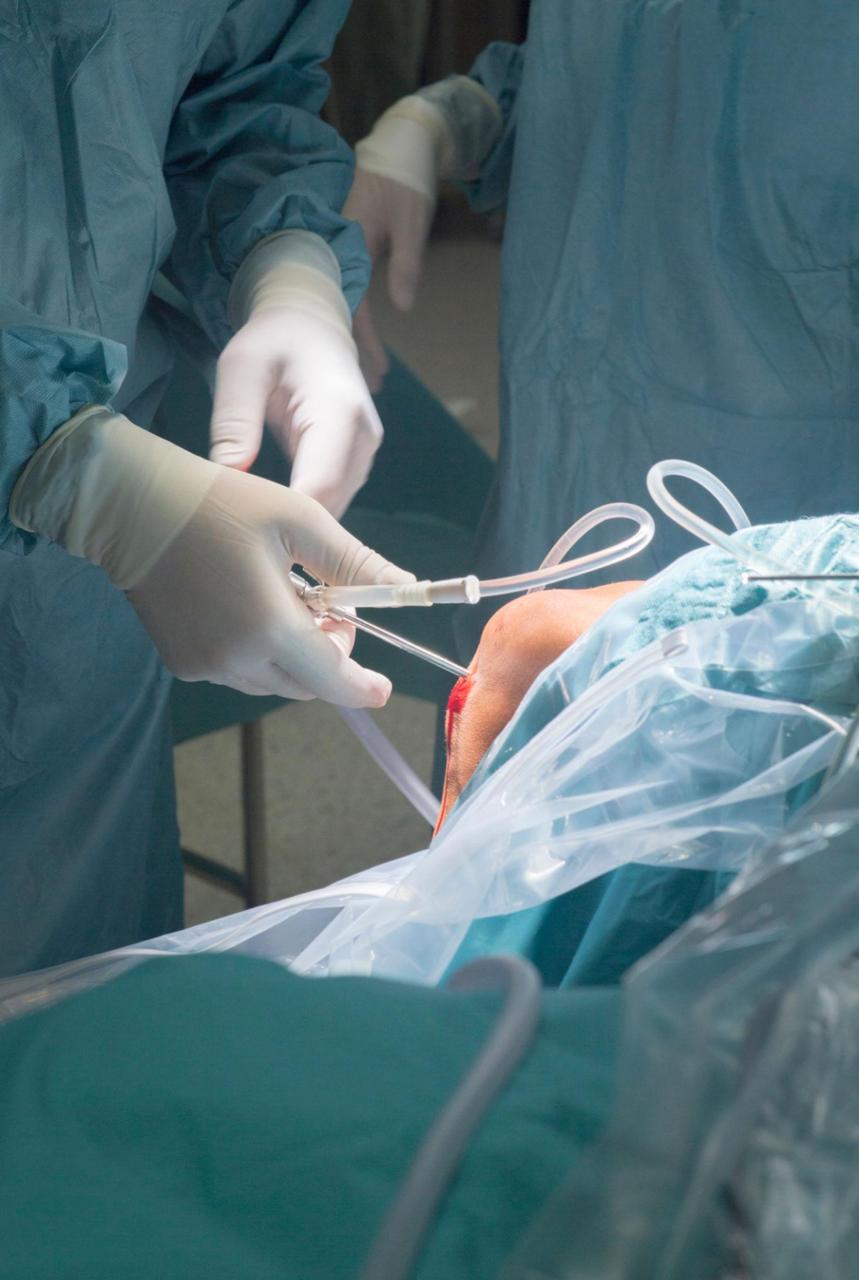
One commonly performed procedure for recurrent patellar instability is MPFL reconstruction. The MPFL is an important ligament on the inner side of the knee that helps prevent the kneecap from moving excessively outward. It is frequently injured when the patella dislocates. During MPFL reconstruction, the damaged stabilizing ligament is reconstructed, usually using a tendon graft, to help restore kneecap stability. Some patients have structural abnormalities that require additional corrective procedures. The surgical plan should therefore be based on detailed clinical examination and imaging rather than treating every recurrent dislocation in the same way. Patients searching for patellar instability surgery at Manipal Hospital Bangalore or a recurrent patella dislocation specialist in Bangalore should ideally undergo a detailed assessment to identify the underlying reason for instability before deciding on knee surgery.
Recovery After a Patellar Dislocation
Recovery varies according to the severity of the injury and whether surgery is required. After a straightforward first-time dislocation treated without surgery, patients generally progress gradually through swelling control, restoration of knee movement, strengthening and functional rehabilitation. Returning to sports usually takes longer than simply returning to normal walking because the knee must regain adequate strength, balance and dynamic stability. Following stabilization surgery, rehabilitation is more structured and may continue for several months. Return to running, jumping and competitive sports should be based on healing, strength and functional testing rather than time alone.
Can Patellar Dislocation Cause Long-Term Problems?
Most patients can recover well with appropriate treatment. However, repeated dislocations may damage the cartilage behind the kneecap and increase the risk of persistent pain and patellofemoral problems. Another concern is psychological confidence. Some patients become hesitant to run, jump or change direction because they feel that the kneecap could dislocate again. This is why recurrent instability deserves a thorough assessment rather than repeatedly treating each episode with rest alone. Patients seeking guidance on knee pain treatment in Bangalore can benefit from early intervention to preserve joint health.
Consult Dr. Pradyumna R for Patellar Instability in Bangalore
If you have experienced a first-time kneecap dislocation or your kneecap repeatedly slips out of position, identifying the reason for the instability is an important part of treatment. Dr. Pradyumna R is an orthopaedic surgeon with expertise in sports medicine, knee arthroscopy and complex knee injuries, including the evaluation and surgical management of recurrent patellar instability. At Bangalore Orthopaedic Clinic, treatment is planned according to the individual injury—from conservative management and rehabilitation for appropriate first-time dislocations to surgical stabilization when recurrent instability or structural abnormalities require correction. If you are searching for knee dislocation treatment near me in Bangalore or a kneecap injury orthopaedic doctor in Bangalore, schedule a consultation for a detailed knee assessment.
Bangalore Orthopaedic Clinic
Dr. Pradyumna R
Consultant Orthopaedic Surgeon | Arthroscopy, Knee & Shoulder Surgery | Sports Medicine
📍 Address: #450, Ground Floor, 6th Main, 7th Cross, Mico Layout (Opposite Third Wave Coffee), BTM
Layout 2nd Stage, Bengaluru, Karnataka – 560076
📞 Call for Appointment: +91 91130 25188
Frequently Asked Questions
1. What are the symptoms of a dislocated patella?
Common symptoms include sudden knee pain, swelling, visible displacement of the kneecap, difficulty walking or straightening the knee and a feeling of instability.
2. What causes the kneecap to dislocate?
It can occur following a twisting injury, awkward landing or direct impact. Some patients also have anatomical factors that make the kneecap naturally less stable.
3. Is a dislocated patella a medical emergency?
A kneecap that remains visibly dislocated requires prompt medical attention. Do not repeatedly attempt to force it back into position yourself.
4. How is a dislocated patella diagnosed?
Diagnosis usually involves a physical examination and X-rays. MRI may be recommended to assess ligament, cartilage or osteochondral injuries.
5. Can a dislocated kneecap heal without surgery?
Yes. Many first-time uncomplicated patellar dislocations can be successfully managed with bracing, activity modification and physiotherapy.
6. What is the first-aid treatment for a dislocated patella?
Keep the knee supported and avoid unnecessary movement or weight-bearing. Apply a wrapped cold pack for swelling and seek medical assessment promptly. Do not force the kneecap back yourself.
7. When is surgery needed for a dislocated kneecap?
Surgery may be recommended for recurrent instability, significant cartilage or bone injury, loose fragments, or structural problems that make repeated dislocation likely.
8. What is patellar stabilization surgery?
It refers to procedures designed to improve kneecap stability. MPFL reconstruction is one commonly used technique, although additional procedures may be necessary depending on the patient’s anatomy.
9. How long does recovery take after a patella dislocation?
Recovery depends on the severity of the injury. Everyday activities may return within weeks after uncomplicated injuries, while complete rehabilitation and return to sports can take several months.
10. Can a dislocated patella happen again after treatment?
Yes. Some patients experience recurrent dislocation or ongoing instability, particularly when underlying anatomical risk factors are present.
11. What increases the risk of recurrent patella dislocation?
Younger age, ligament laxity, a shallow trochlear groove, abnormal alignment, patella alta and previous dislocations can increase recurrence risk.
12. What exercises help after a patella dislocation?
Rehabilitation commonly focuses on restoring knee movement and strengthening the quadriceps, hip and core muscles. Balance and movement-control exercises may also be introduced. Exercises should be progressed under professional guidance.
13. Can a dislocated kneecap cause long-term knee problems?
Repeated instability can contribute to cartilage injury, persistent anterior knee pain and, in some patients, later patellofemoral arthritis.
14. Who treats patella dislocations in Bangalore?
An orthopaedic surgeon with expertise in sports injuries, knee arthroscopy and patellar instability can assess both first-time and recurrent kneecap dislocations. Consult Dr. Pradyumna R for a comprehensive assessment.